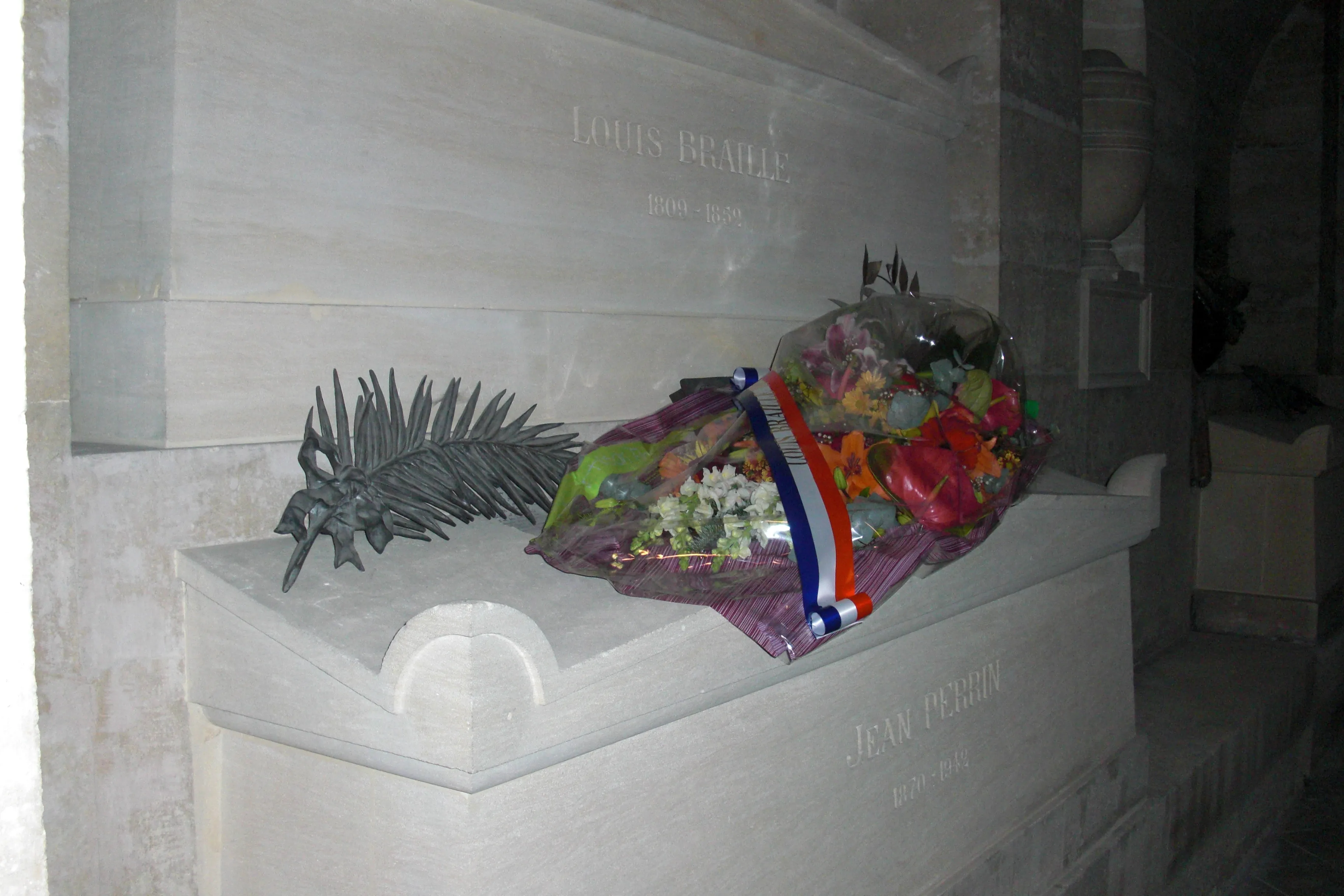
Louis Braille: Accessibility as Culture
Braille at the Pantheon—how accessible design becomes national culture and civic pride.
→
Inclusive Visit Design: Tactile, Audio, and Cognitive Support
How layered interpretation can improve access through tactile cues, audio guidance, and clearer wayfinding language.
→
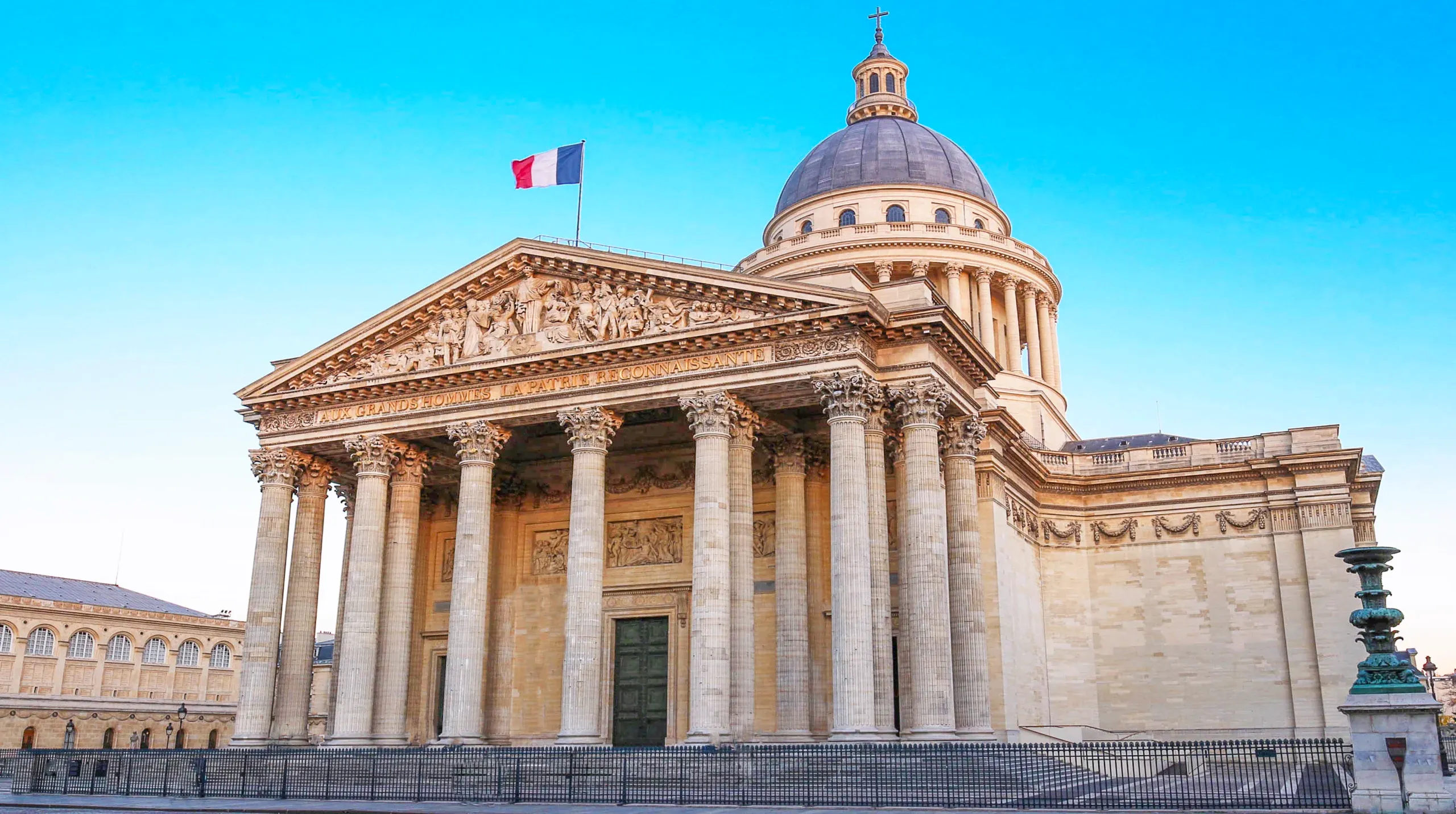
A Neoclassical Beacon: Vision, Structure, and Civic Meaning
How Soufflot’s neoclassical vision, materials, and geometry shape the Pantheon’s enduring presence on Montagne Sainte-Geneviève.
→
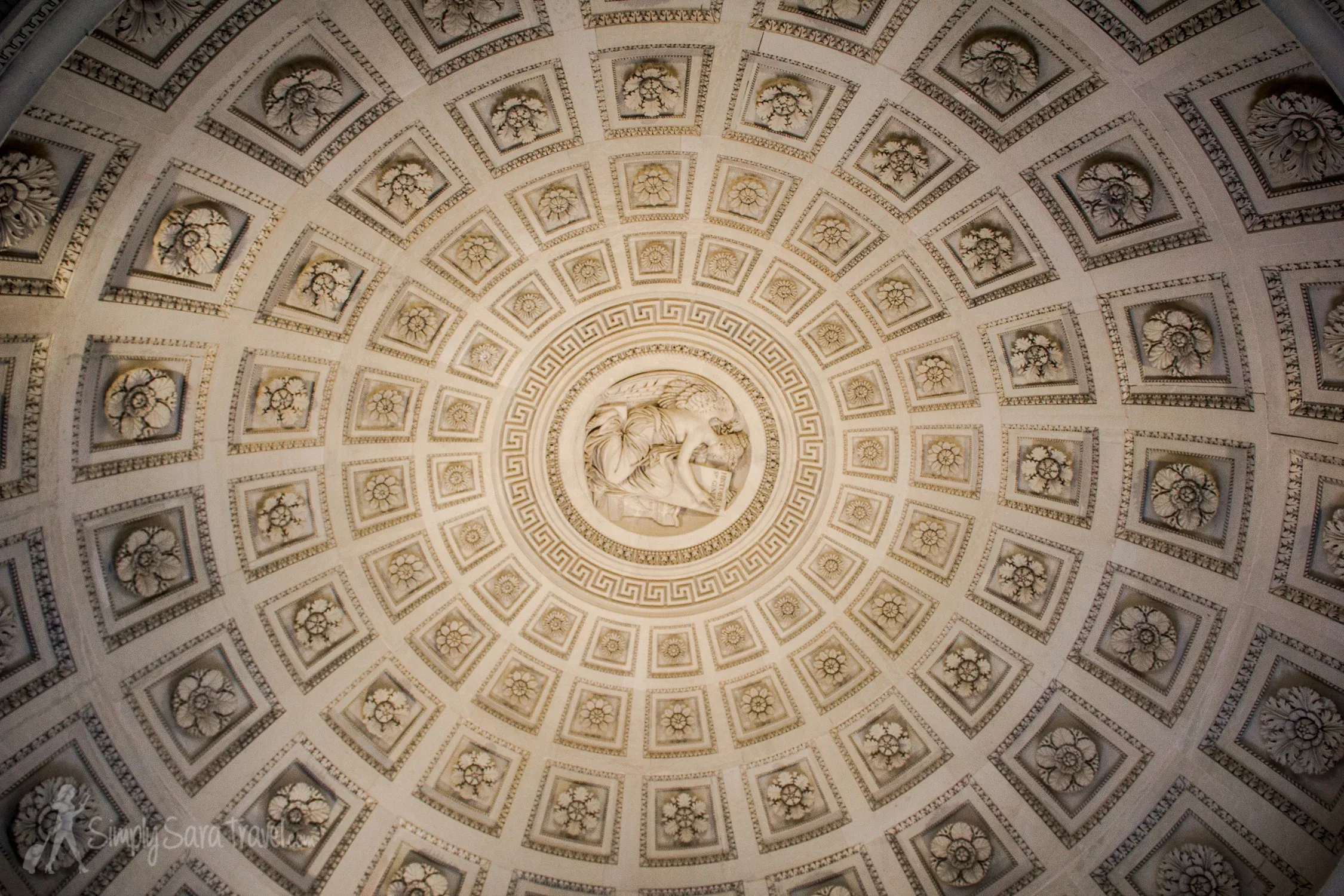
Dome Engineering: Triple Shell, Thrust Paths, and Proportion
Inside the crossing: how the Pantheon’s layered dome manages loads, light, and the spectacle of height.
→
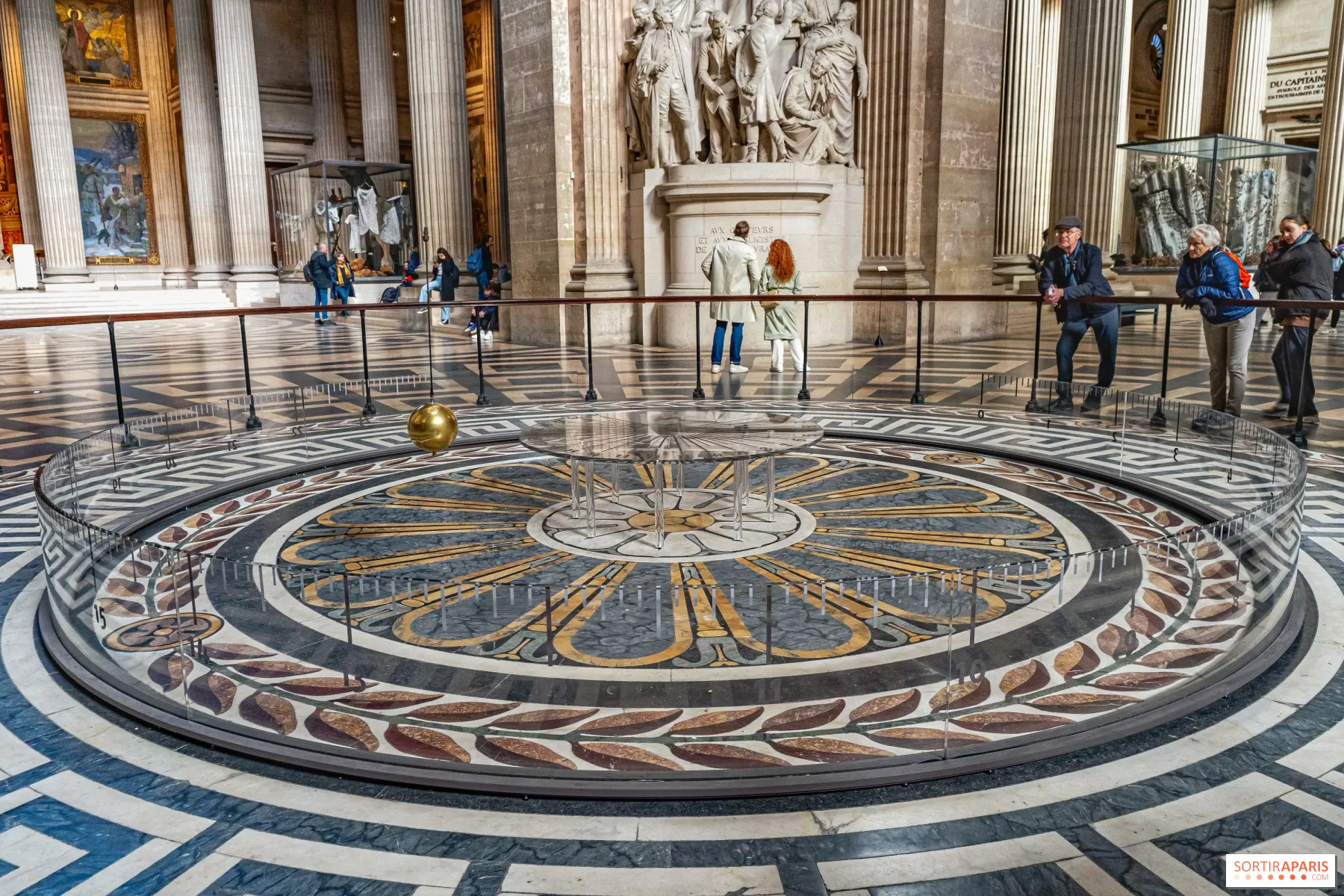
Foucault’s Pendulum: Earth’s Rotation Made Visible
From setup to equations: the Pantheon’s famed pendulum turns abstract rotation into a public experiment.
→
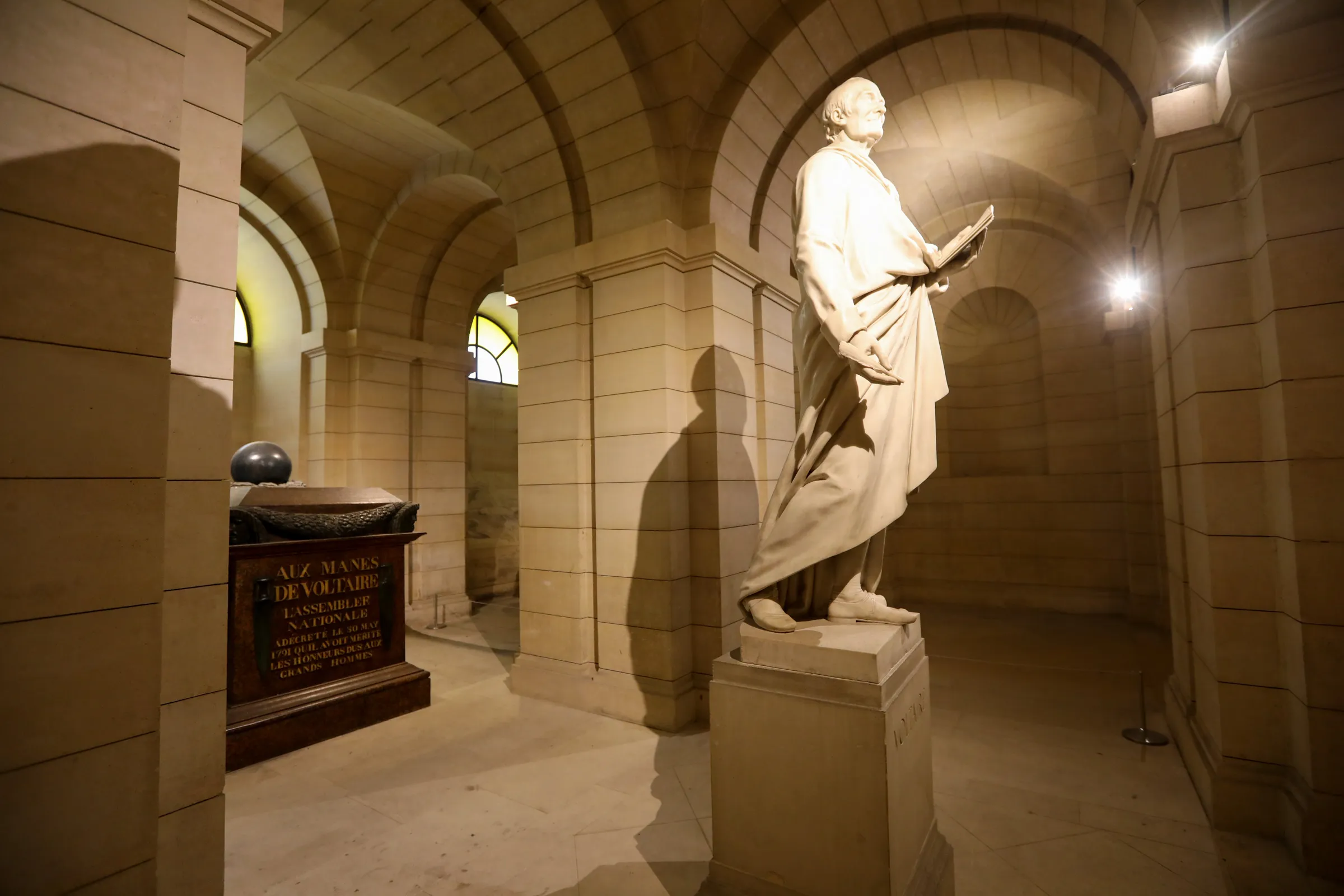
The Crypt: National Memory and the Architecture of Honor
Voltaire, Rousseau, Hugo, Curie and others—how the Pantheon’s crypt organizes memory and civic gratitude.
→
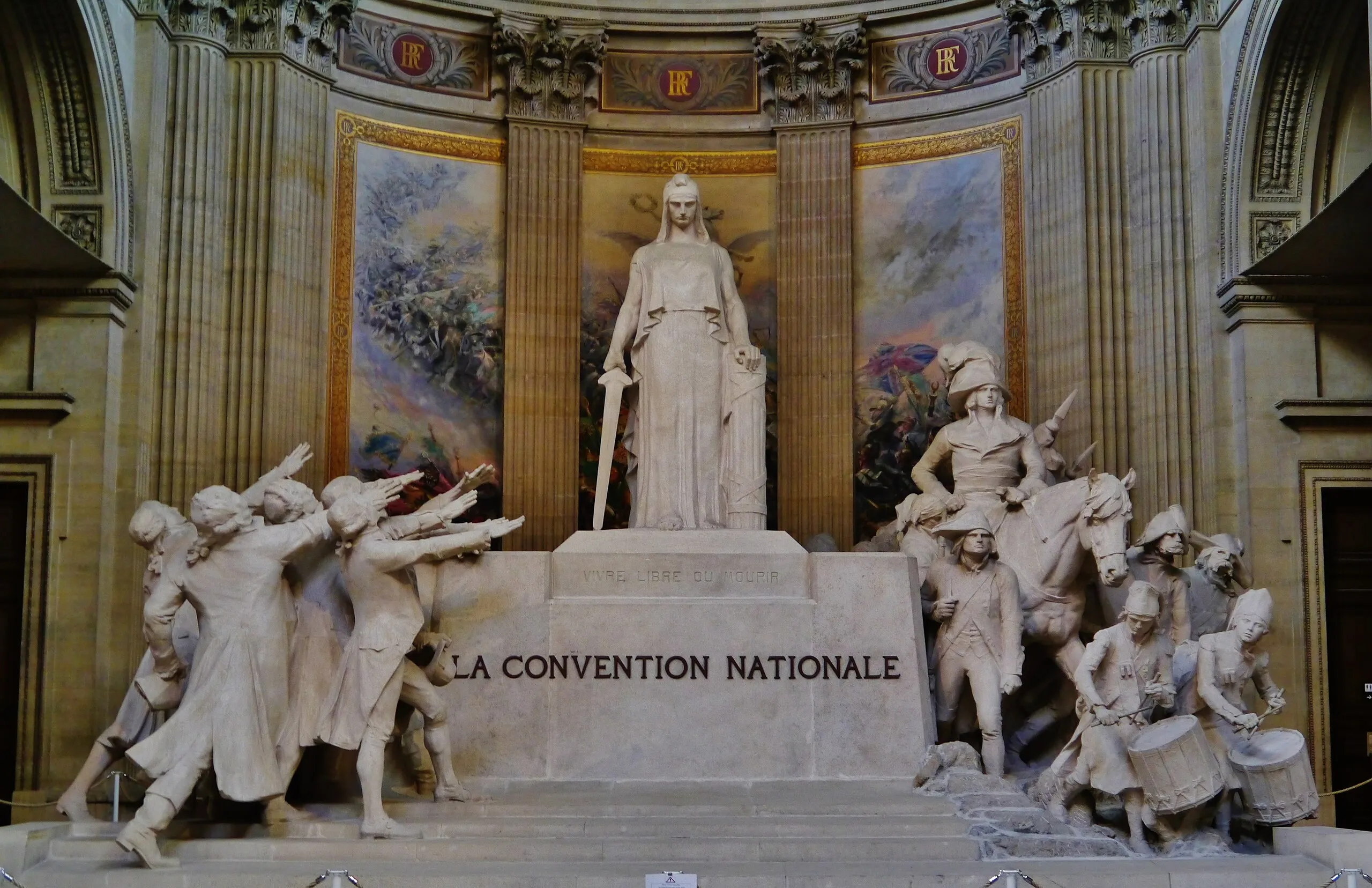
La Convention Nationale: Sculpture, Republic, and Ritual Space
Reading the famous group: allegory, arrangement, and how sculpture performs civic pedagogy inside the Pantheon.
→
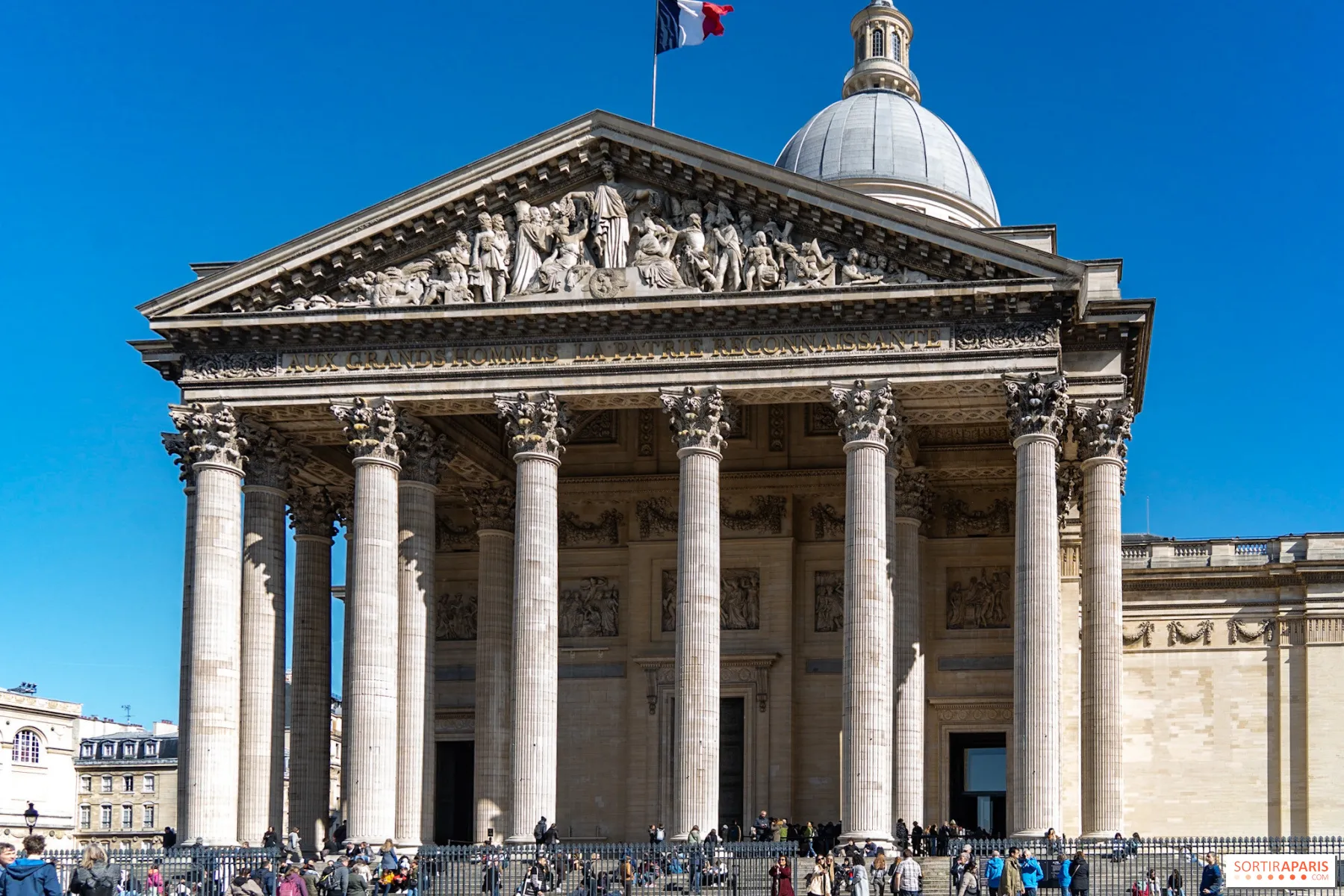
Facade and Orders: The Portico’s Grammar of Approach
Doric, Corinthian, and the choreography of steps—how the Pantheon’s facade guides movement and meaning.
→
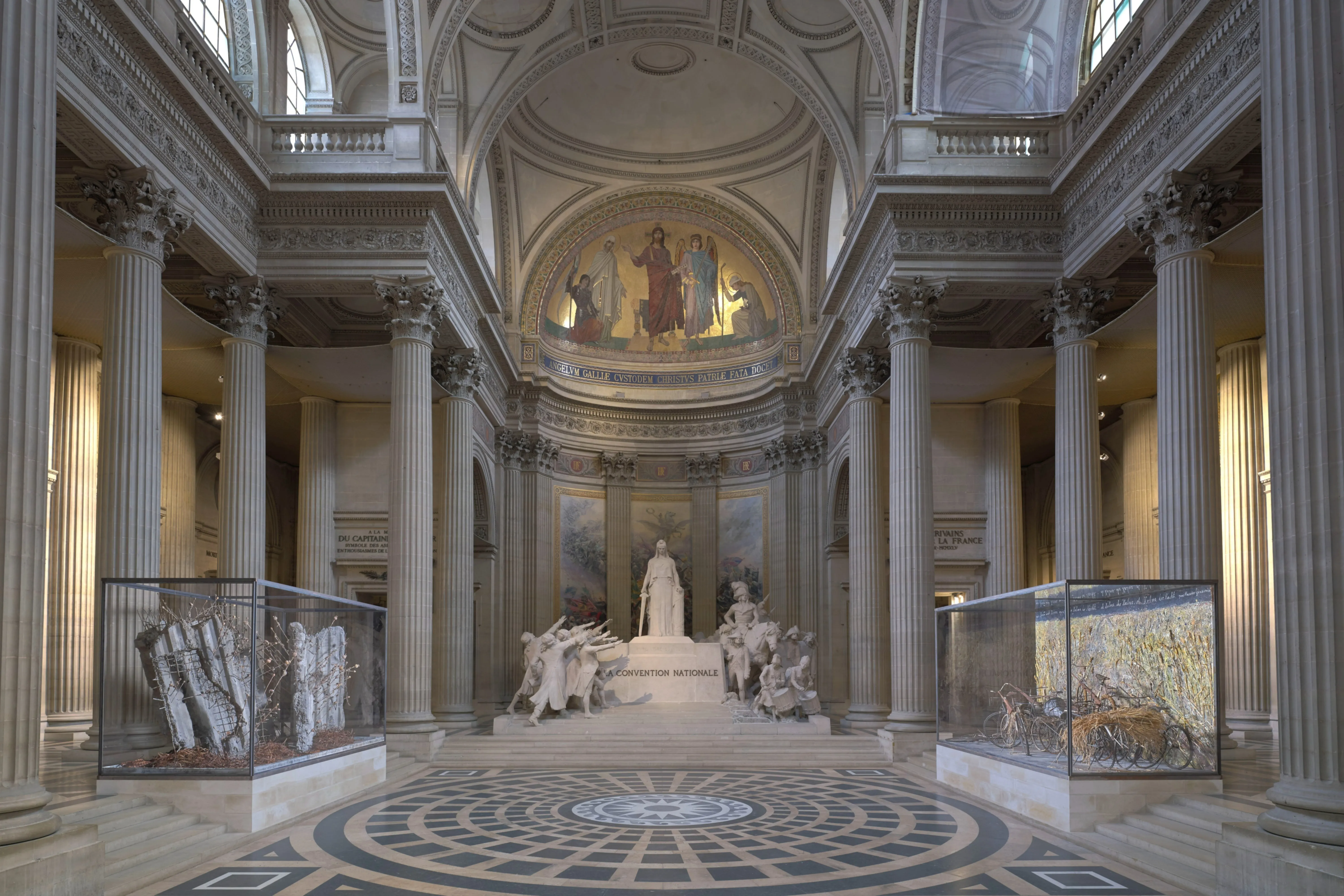
Interior Light and Acoustics: Calm, Scale, and Resonance
Windows, vaults, and surfaces: how light and sound co-author the Pantheon’s contemplative mood.
→
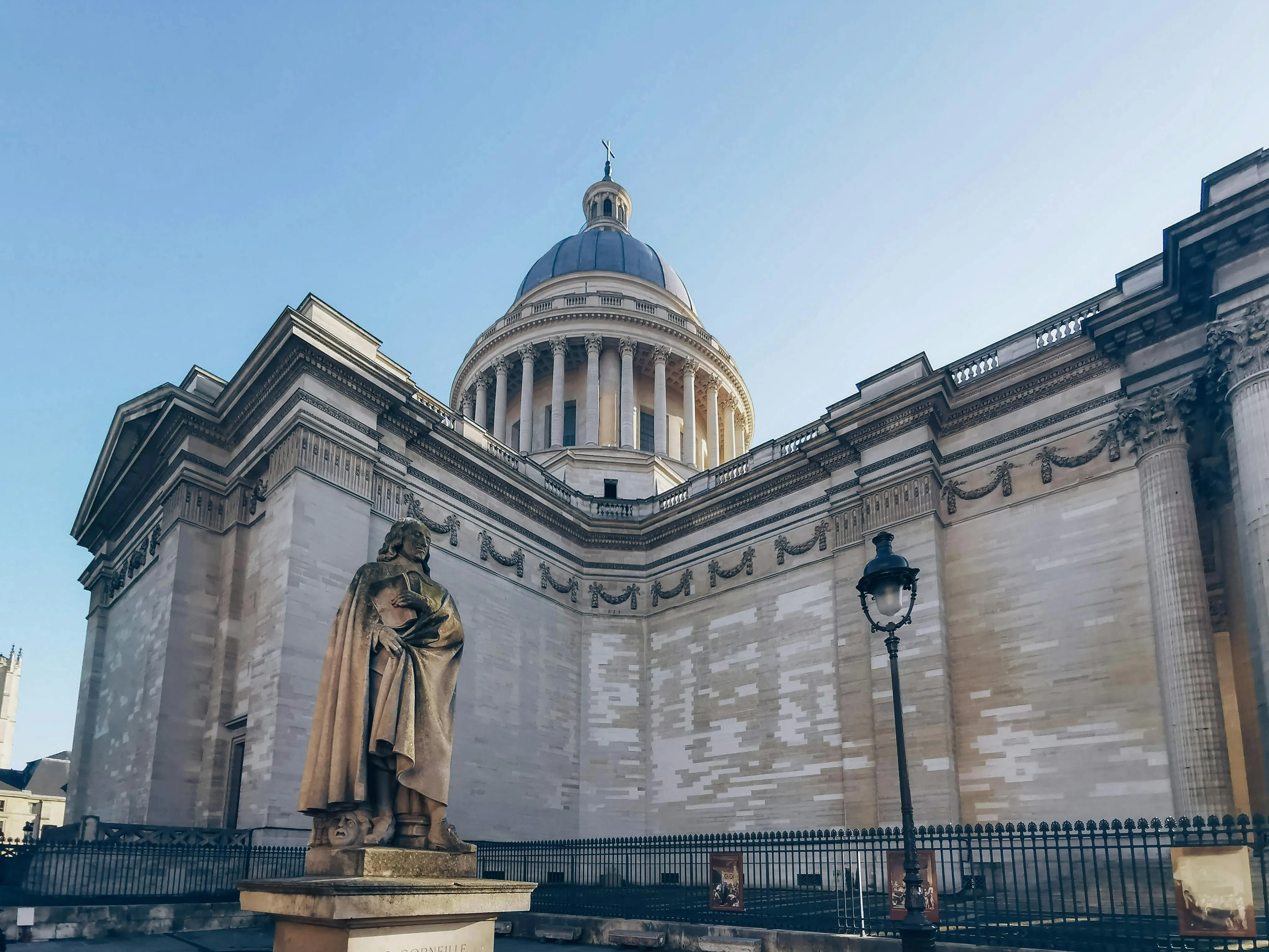
Urban Context: The Latin Quarter and the Hill of Ideas
Why Montagne Sainte-Geneviève matters—topography, streets, and how the Pantheon anchors a neighborhood of learning.
→
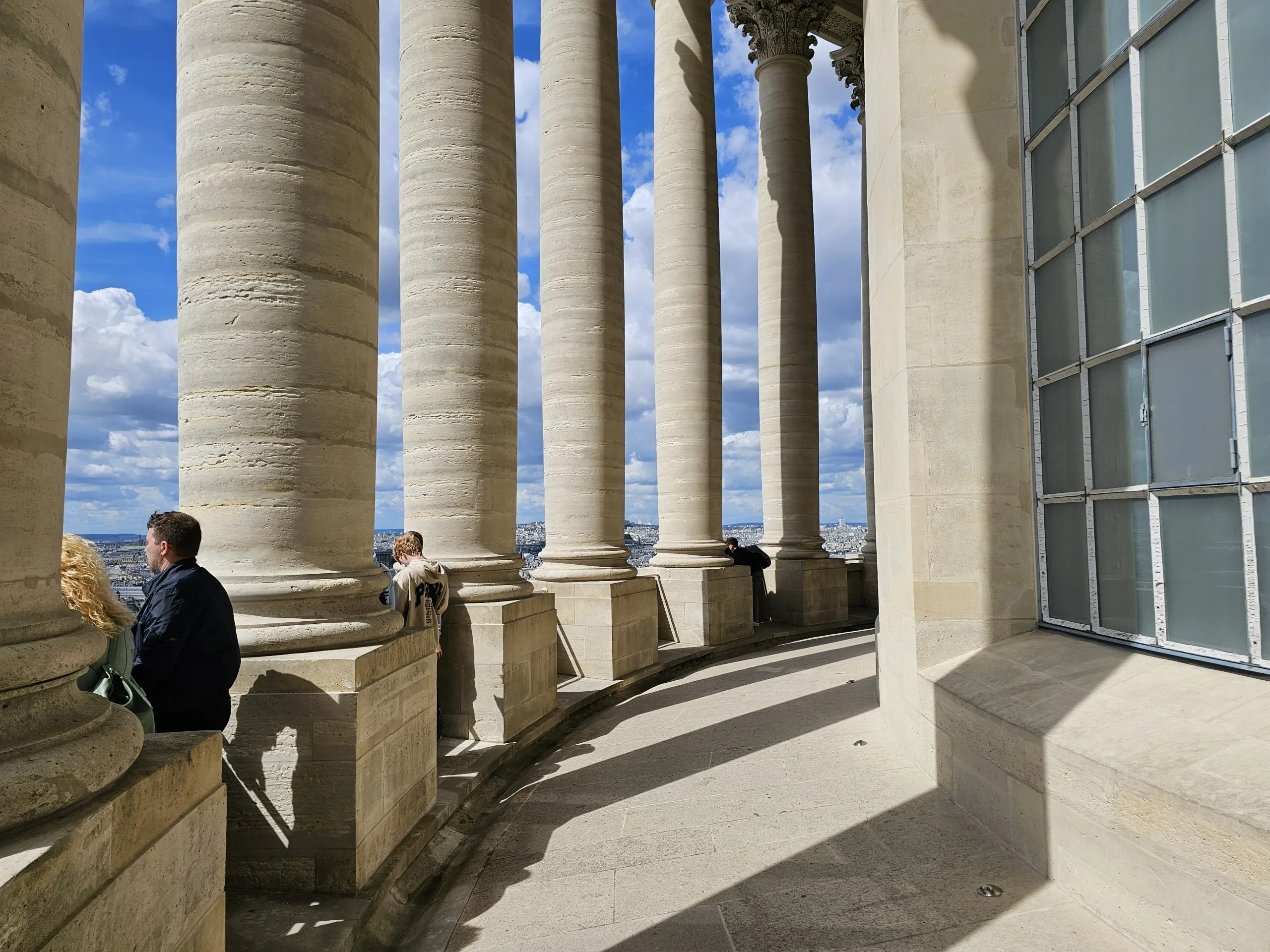
Restoration and Conservation: Craft, Measurement, and Patina
From laser scans to stone repair—how conservators keep the Pantheon honest to its materials and story.
→
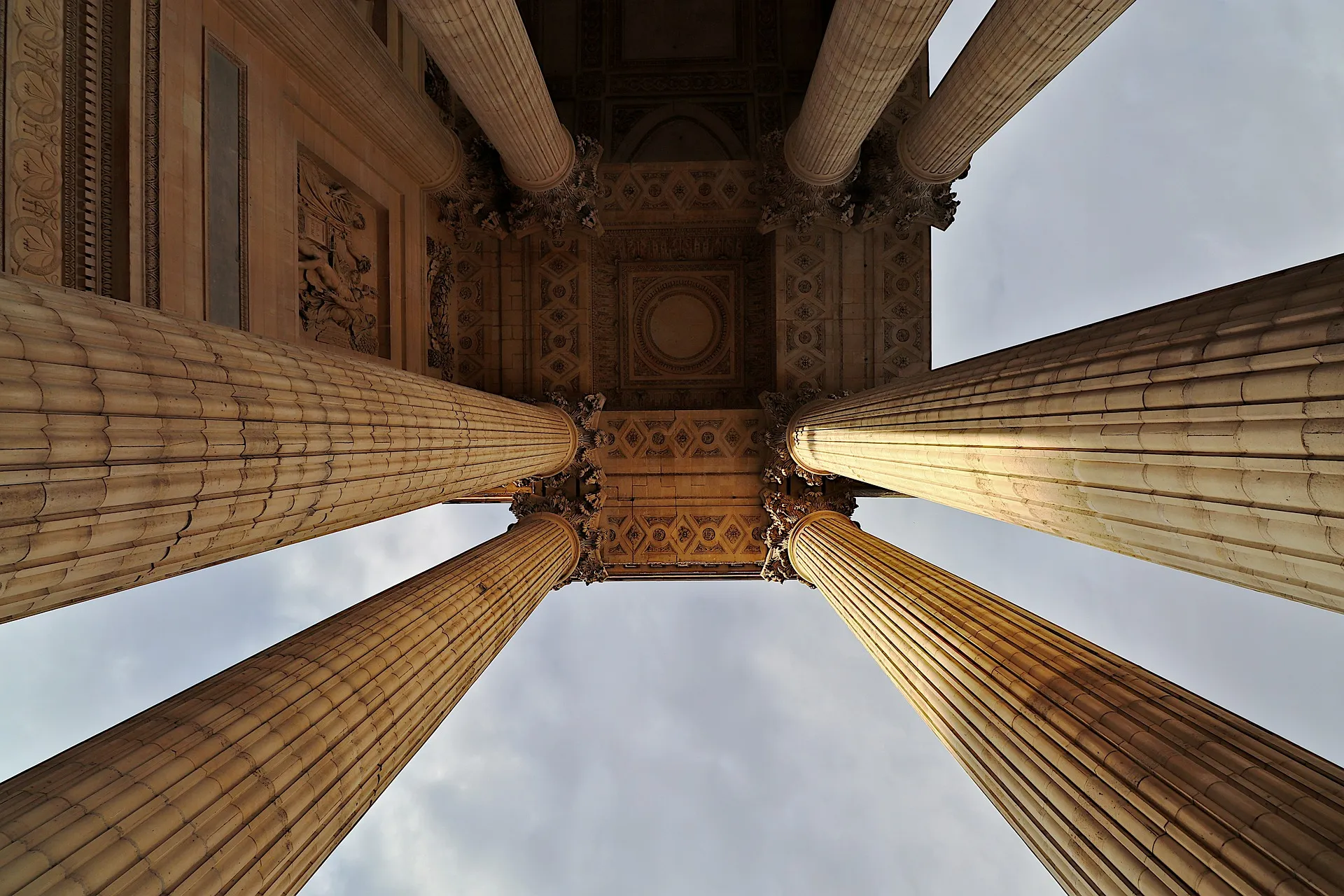
Columns and Orders: Structure, Ornament, and Human Scale
Why columns matter beyond style—load paths, rhythms, and how orders define experience from ground to cornice.
→
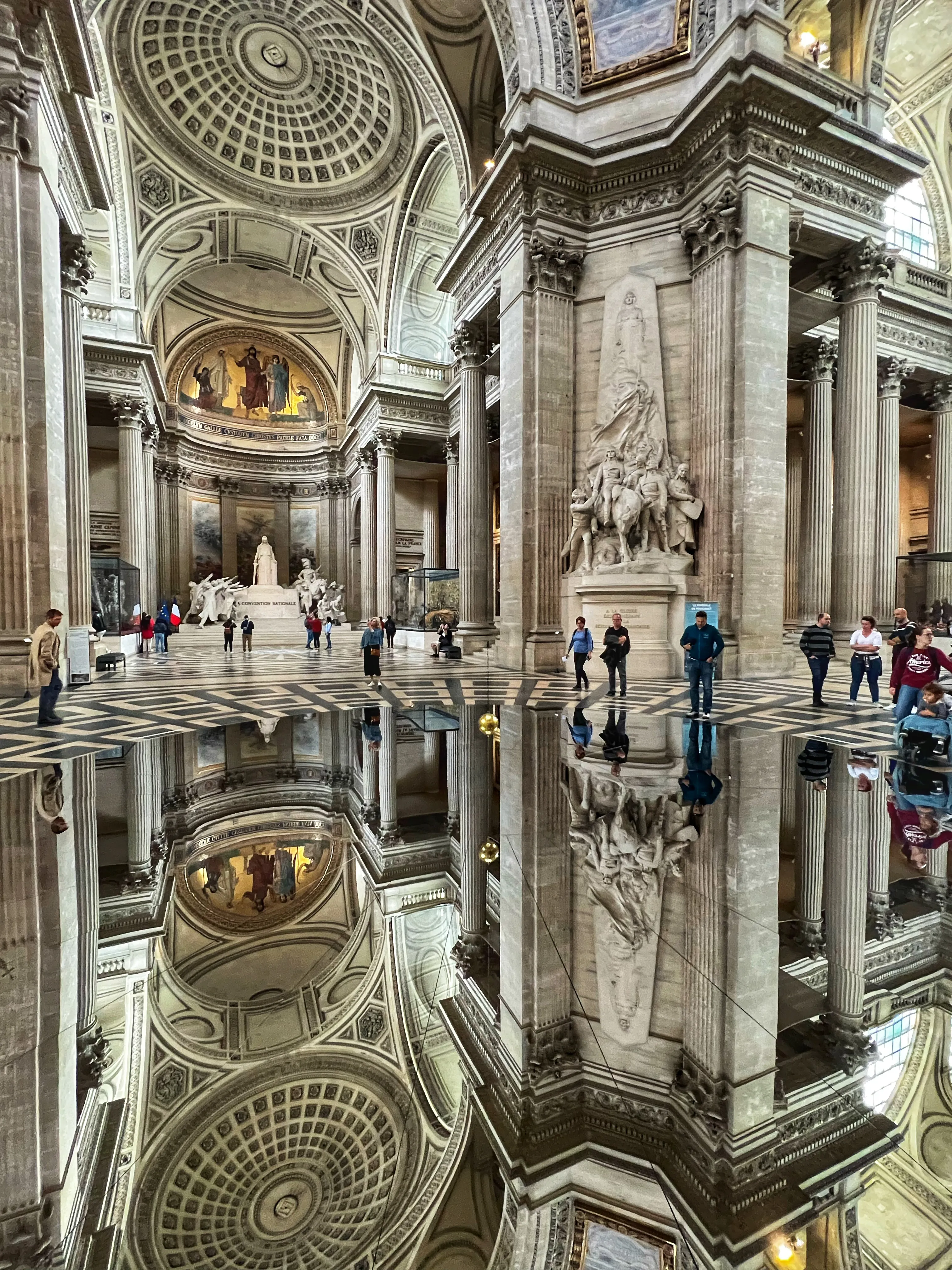
Floor Mirrors: Teaching Curvature, Light, and Perspective
Those mirrors aren’t vanity—they’re pedagogy. Why reflective surfaces help decode the Pantheon’s dome and optics.
→
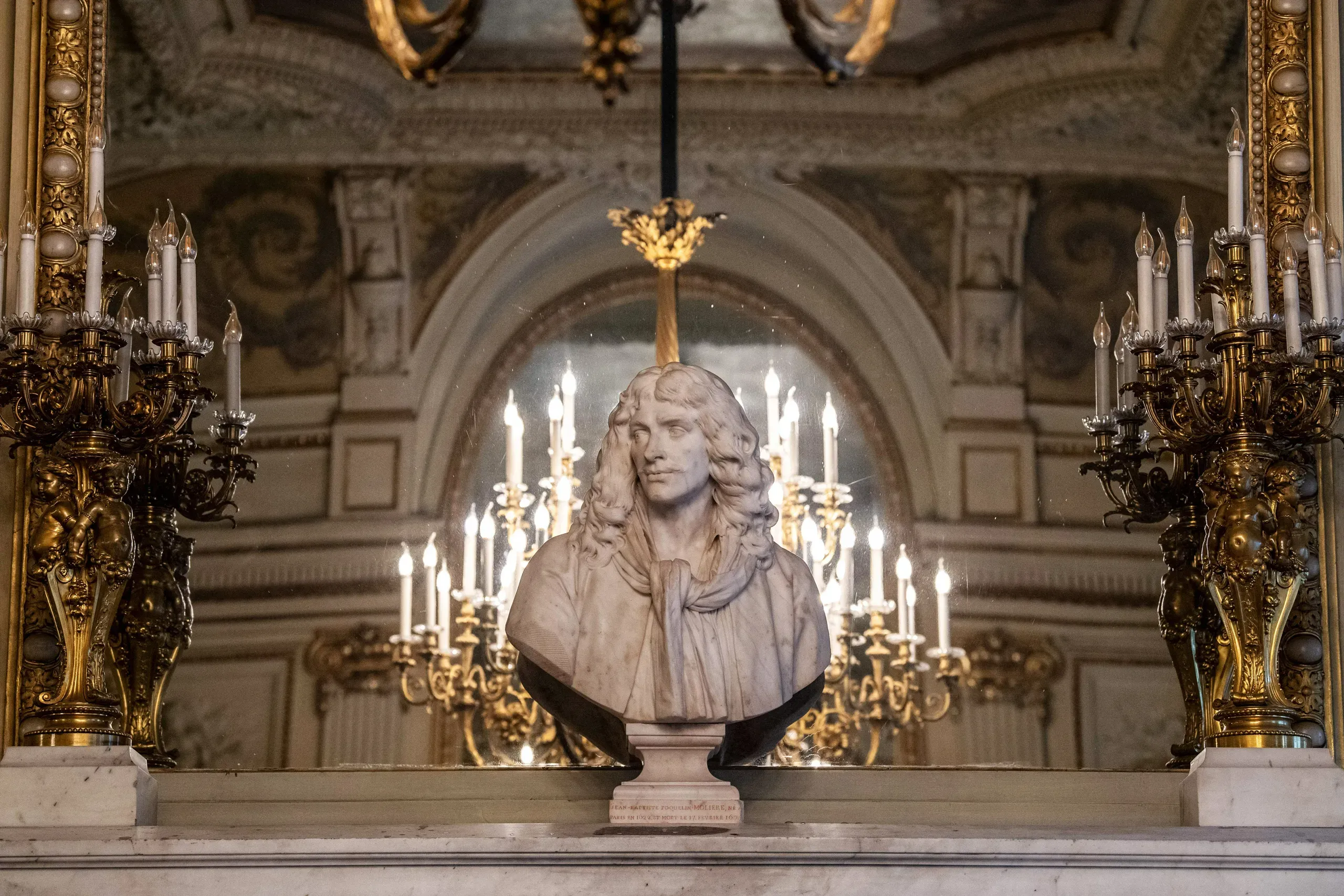
Icons and Portraits: Faces of a Republic
From Molière’s presence to symbolic busts—how faces and figures shape the Pantheon’s emotional register.
→
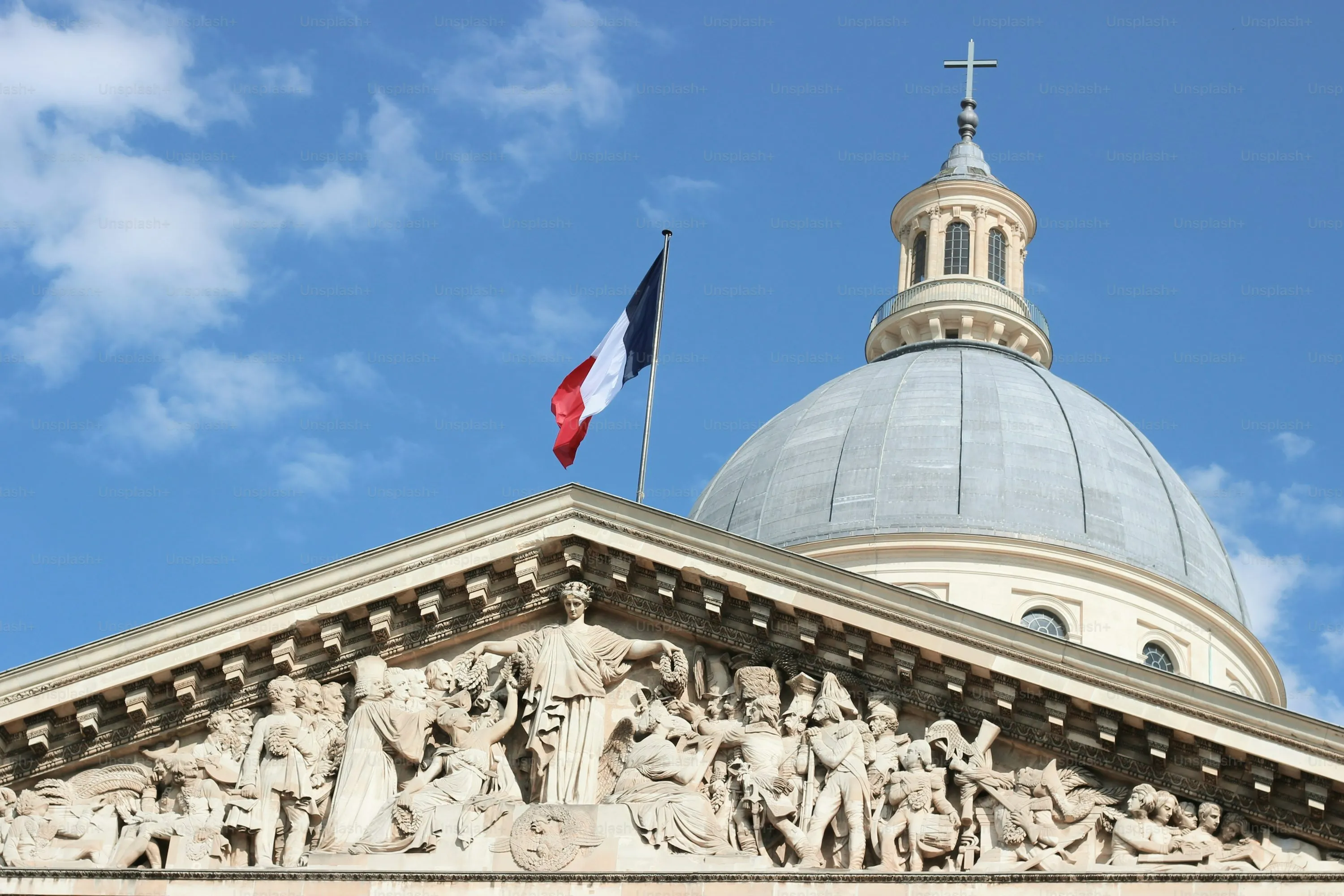
Flag and Rituals: Colors, Ceremonies, and Civic Atmosphere
Tricolore encounters stone—how ceremonies, flags, and processions activate the Pantheon’s space.
→
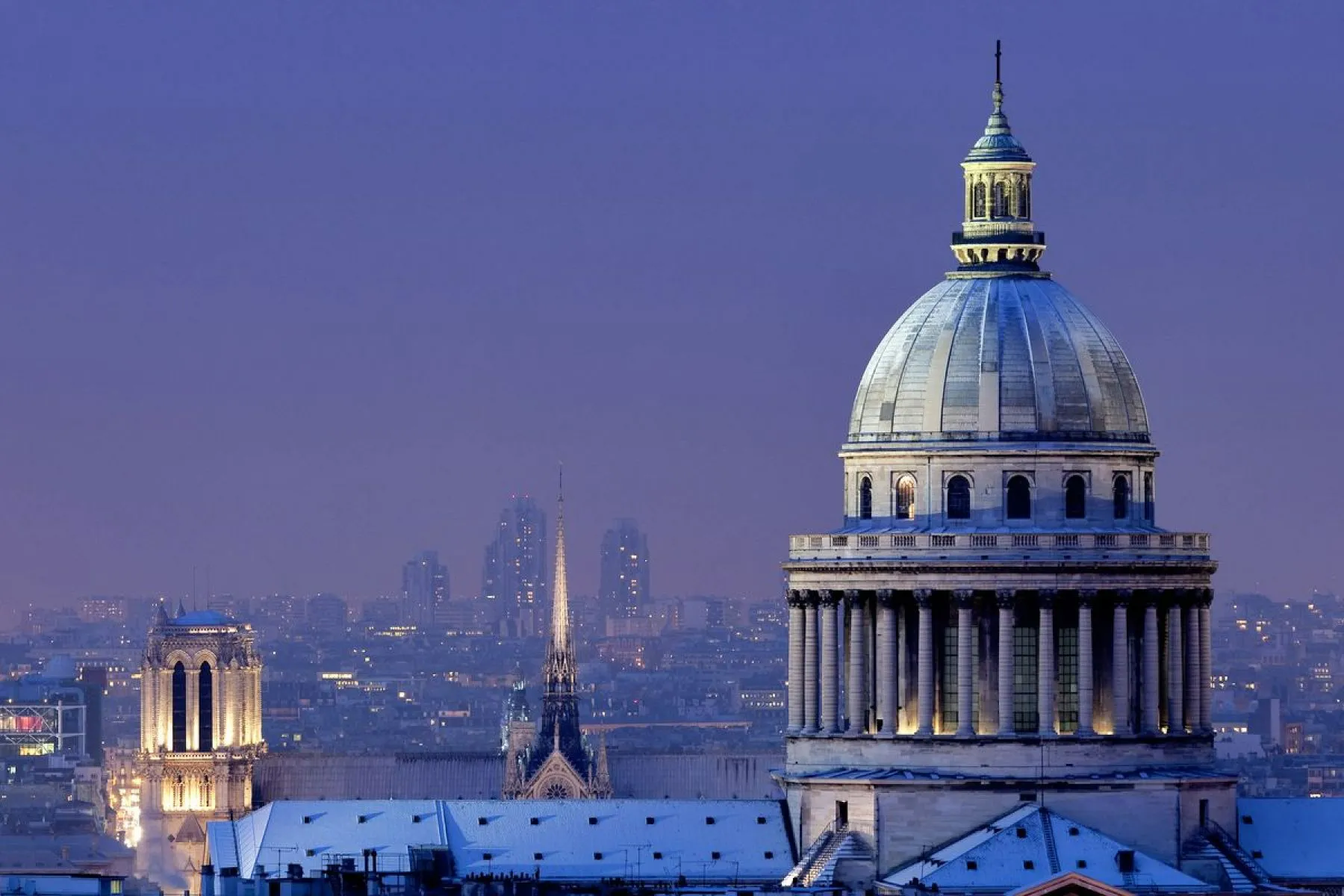
Rooftop Views: Paris as a Classroom
From the colonnade, the city becomes a lesson—axes, landmarks, and how the Pantheon frames the urban panorama.
→
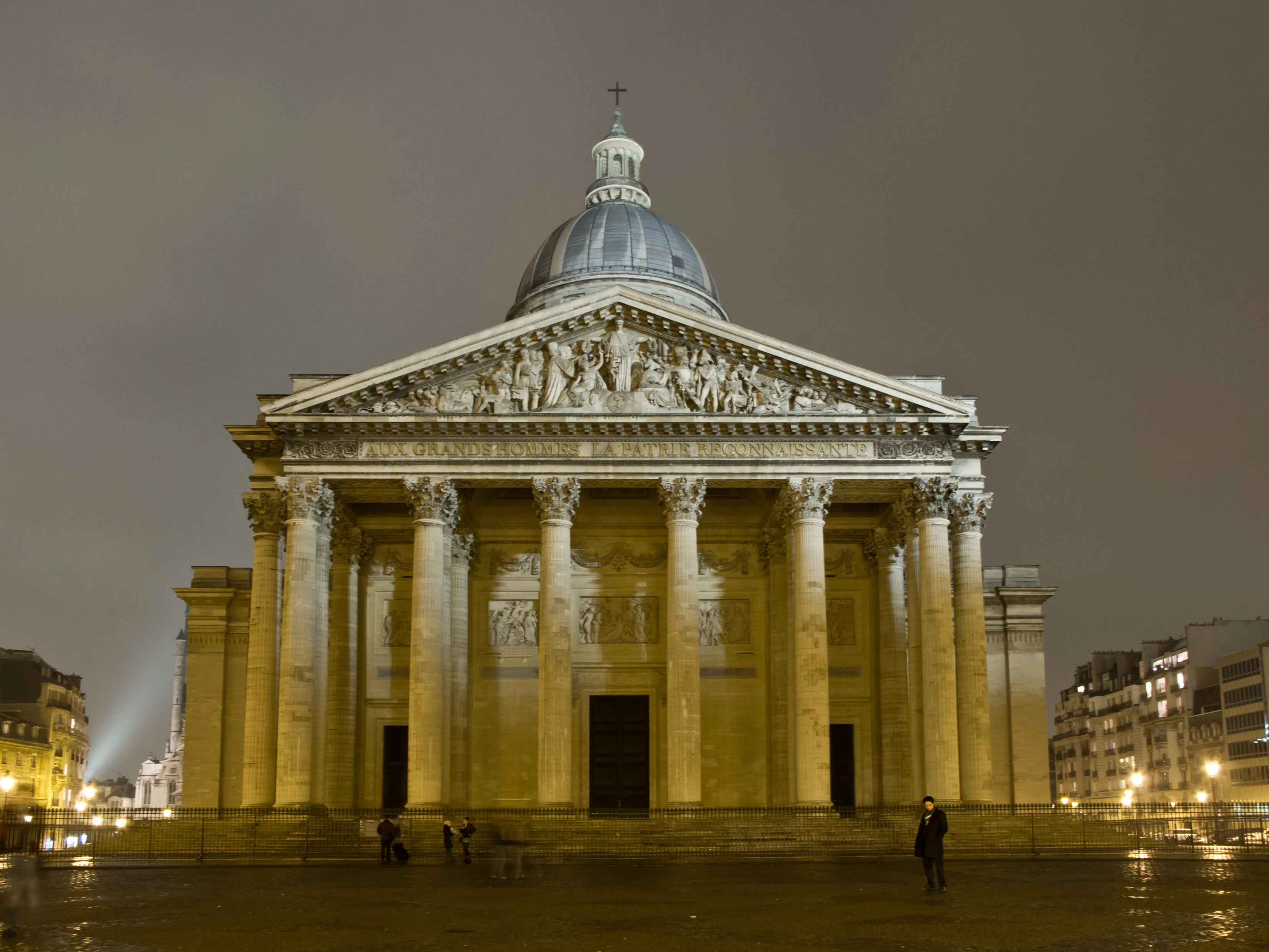
At Night: Lighting, Quiet, and the Poetics of Stone
How evening illumination redraws the Pantheon—shadow, glow, and the hushed acoustics of after-hours.
→
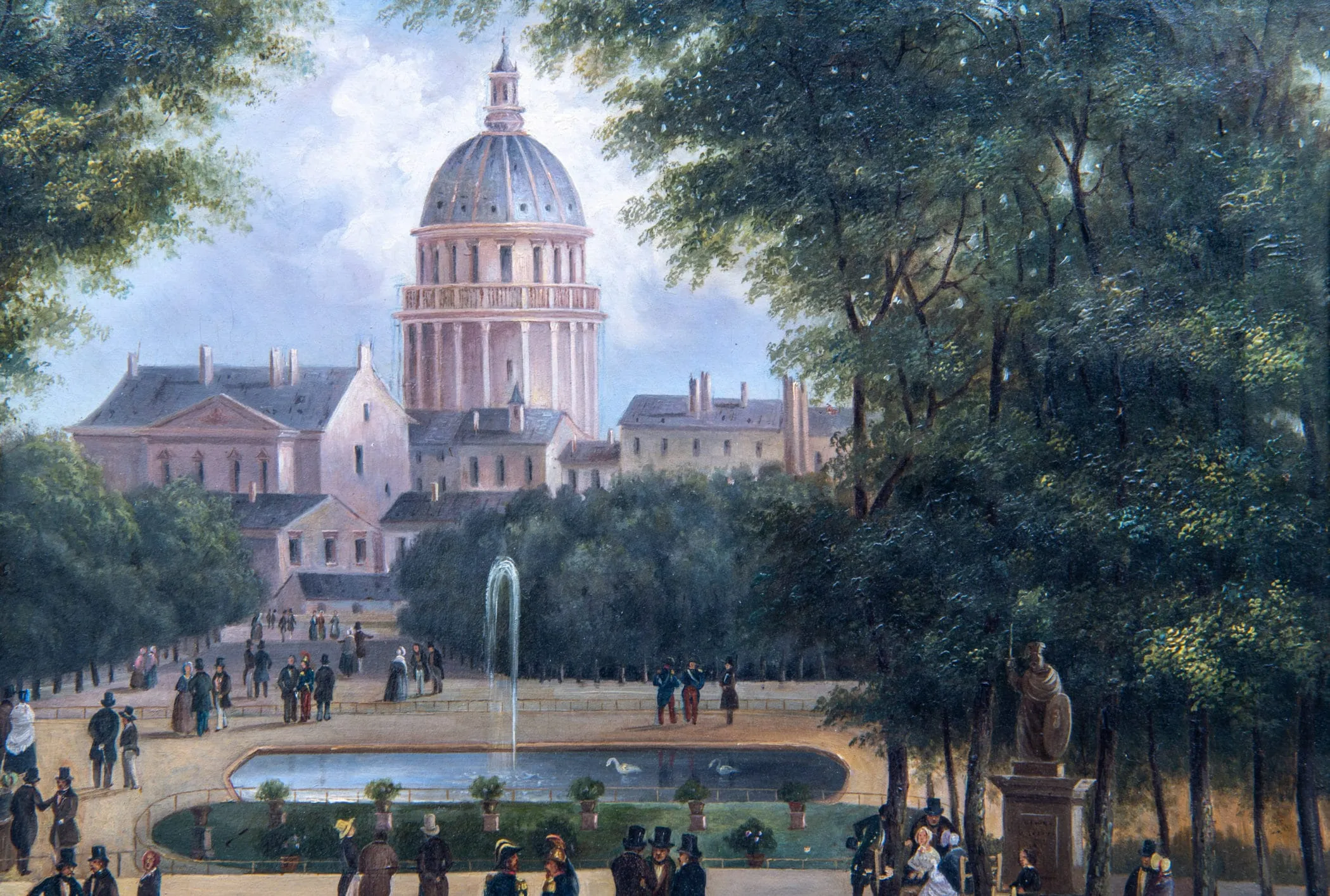
Timeline: From Church to Mausoleum to Civic Icon
Construction, revolution, reassignments—how the Pantheon’s program evolved with French history.
→
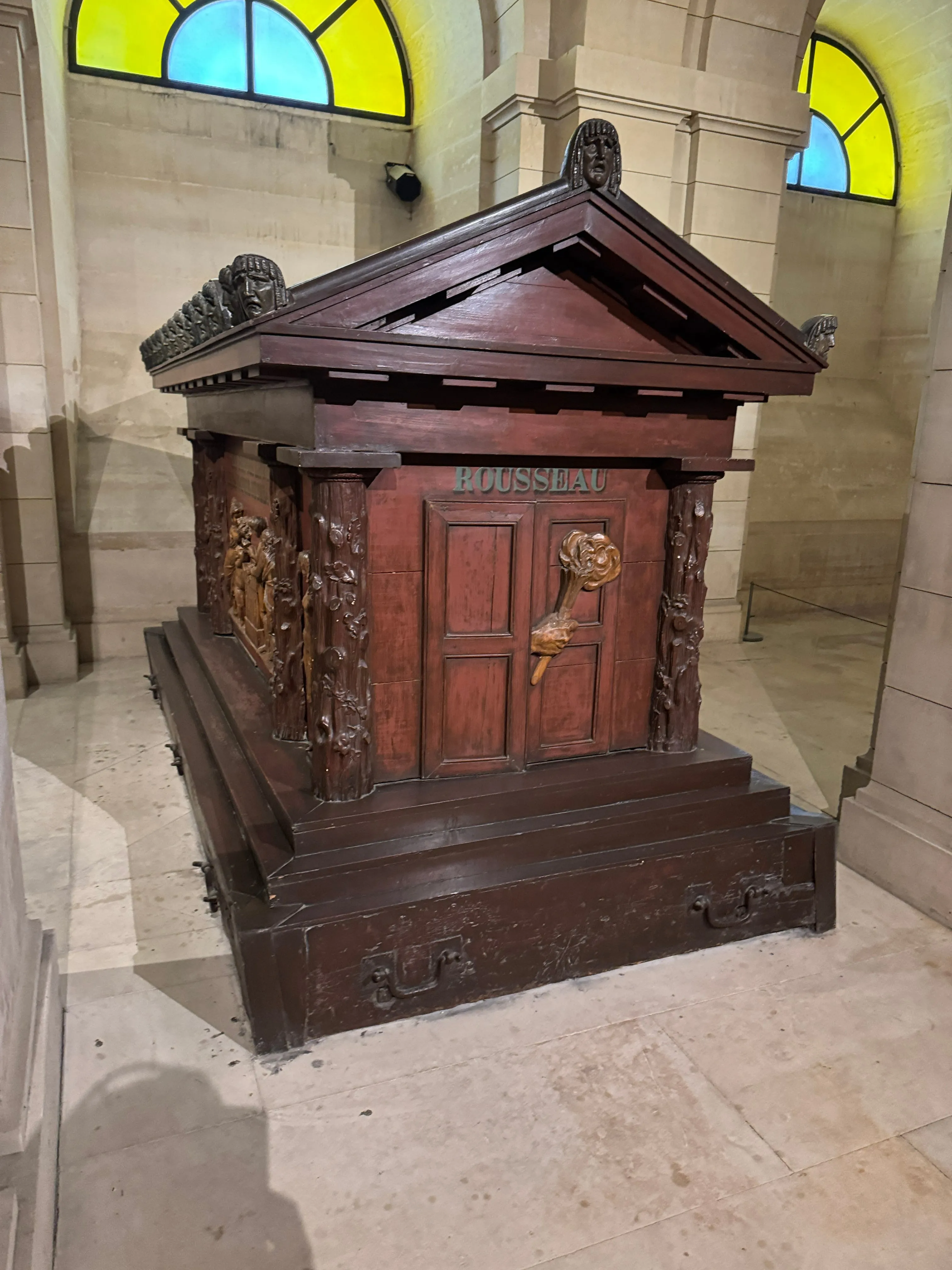
Voltaire and Rousseau: A Dialogue Across Stone
Two Enlightenment voices share a crypt—reason and imagination, critique and contract, staged in architecture.
→
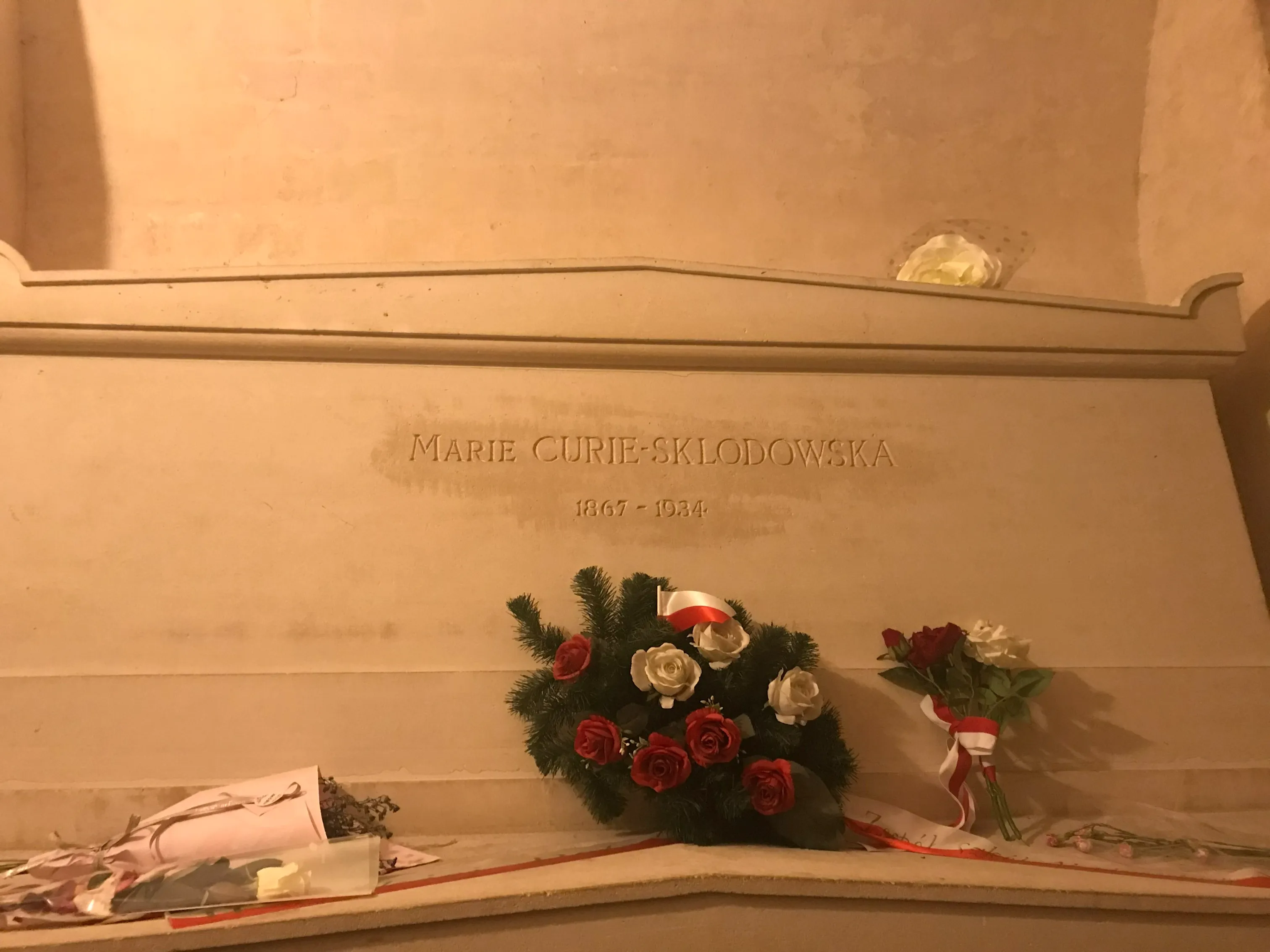
Marie Curie: Science, Service, and National Gratitude
Why Curie rests at the Pantheon—research, ethics, and the public imagination of science.
→
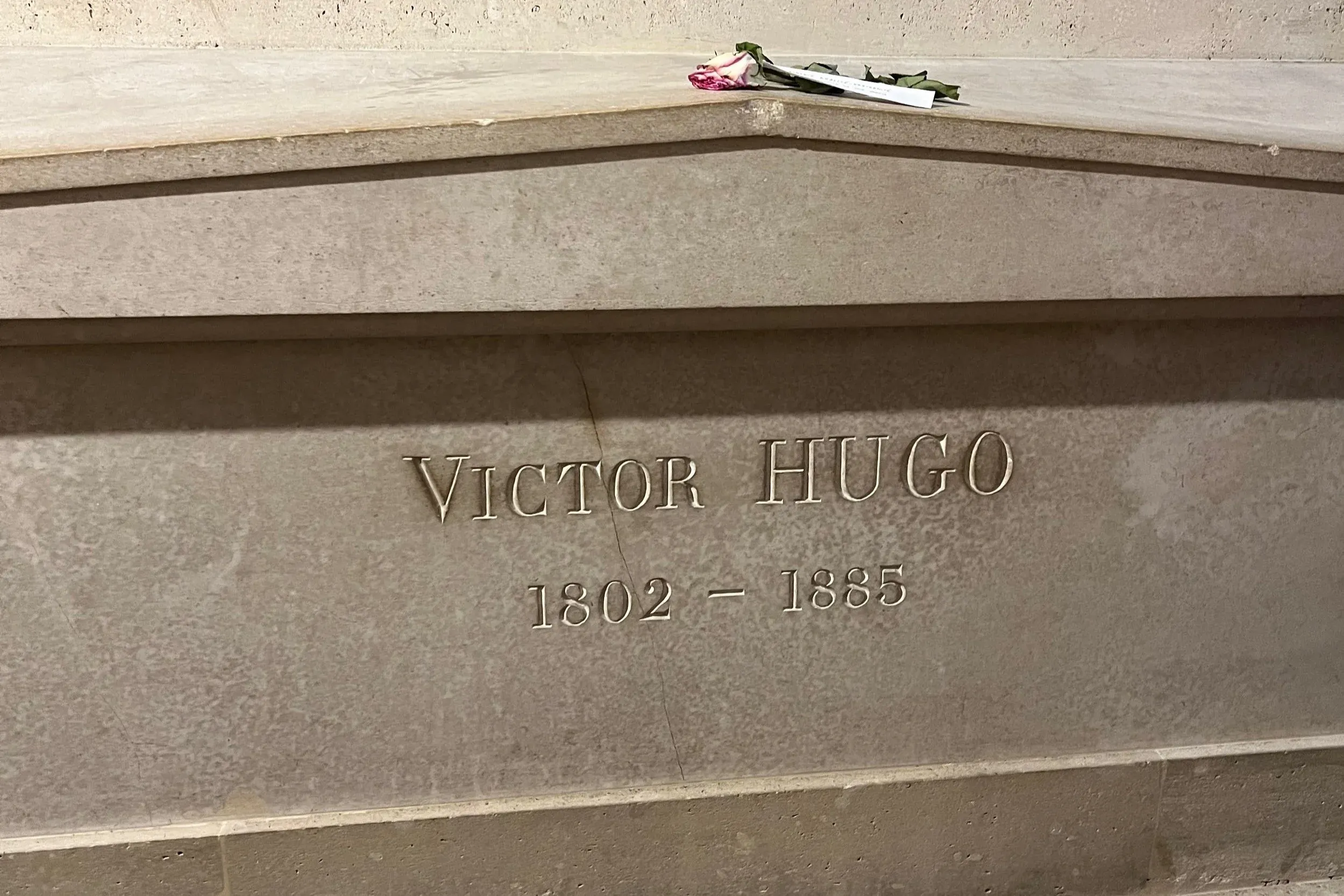
Victor Hugo: Literature on the Civic Stage
Why Hugo’s presence matters—language as architecture, novels as moral theaters, and the Pantheon as stage.
→
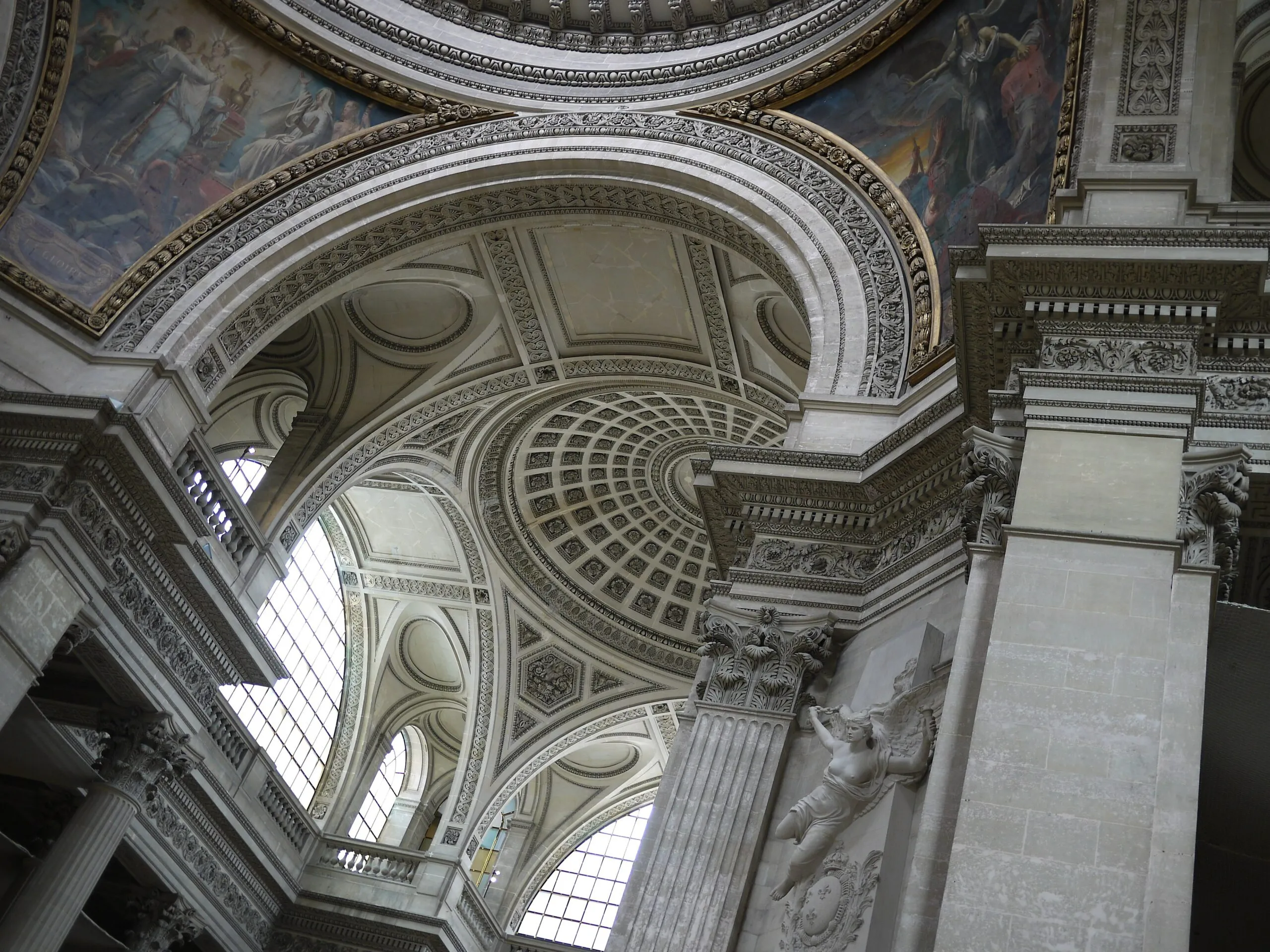
Arches and Vaults: Quiet Mathematics of Stability
From arch curvature to vault spacing—how the Pantheon routes loads with conservative clarity.
→
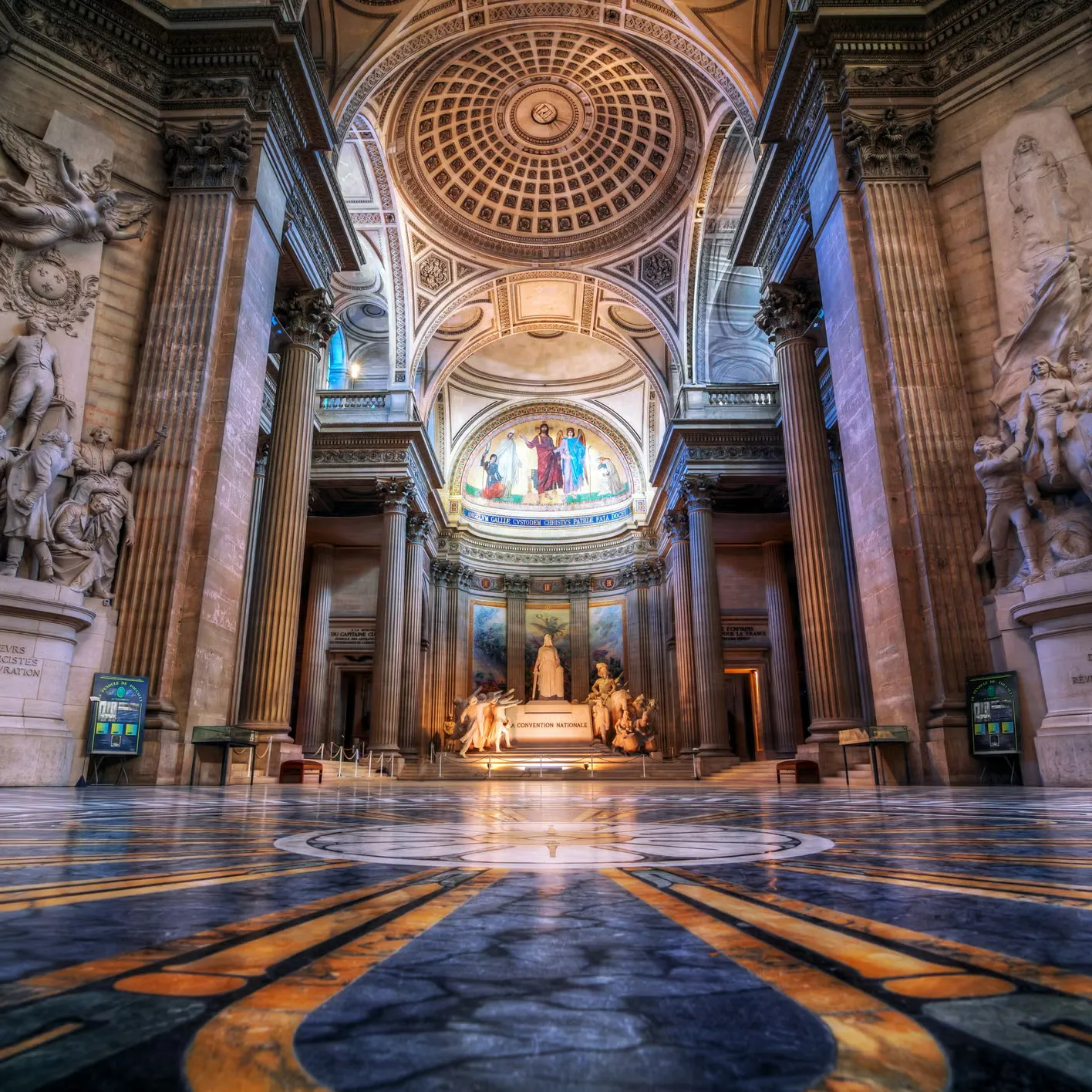
Morning Light: Reliefs, Shadows, and the Rhythm of Time
Why mornings matter—light angles, sculpture readability, and the Pantheon’s daily choreography.
→
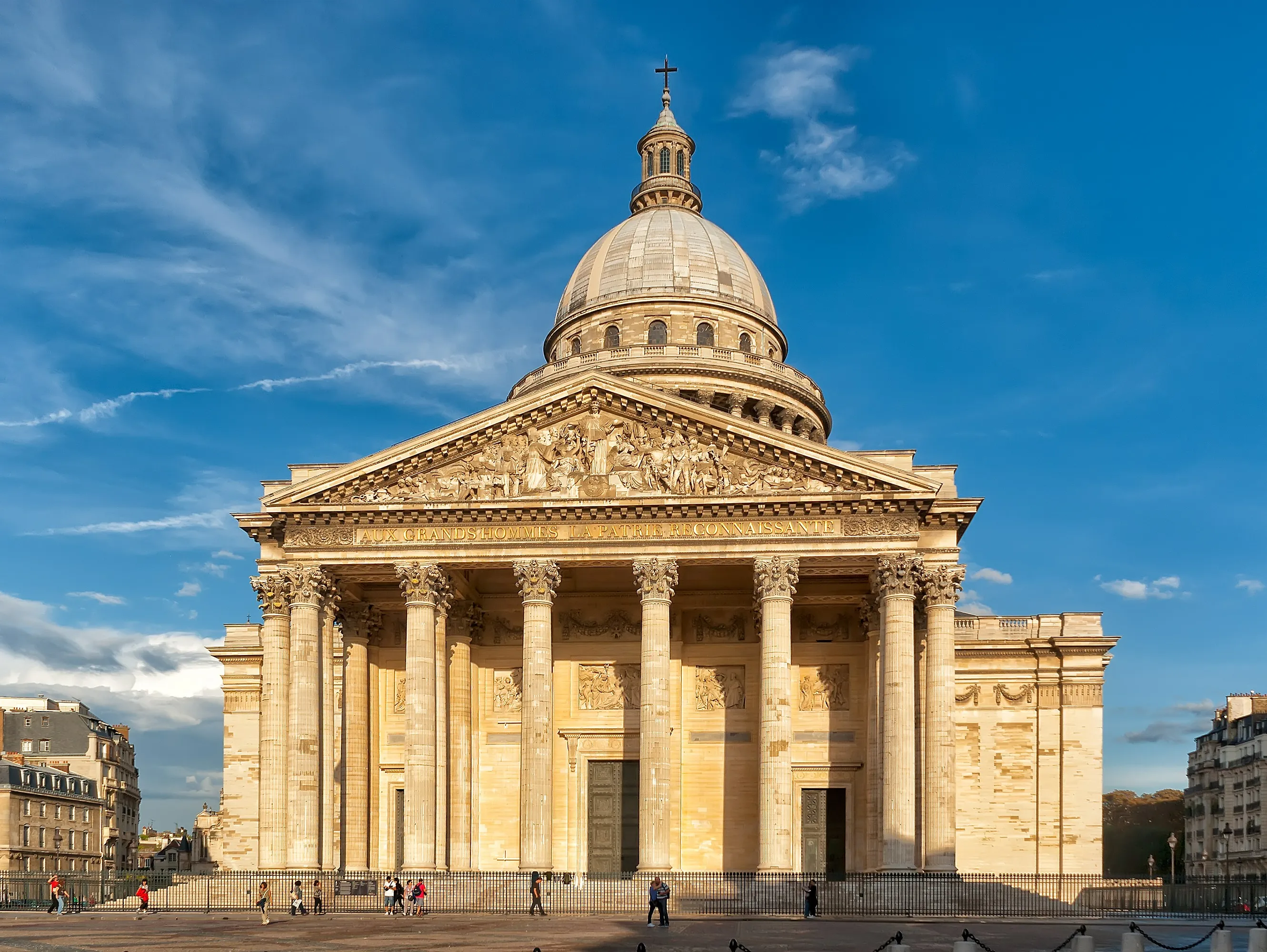
Sunny Day: Facade Reliefs and Shadow Grammar
Full sun redraws the portico—pediment reliefs, column flutes, and crisp shadow lines.
→
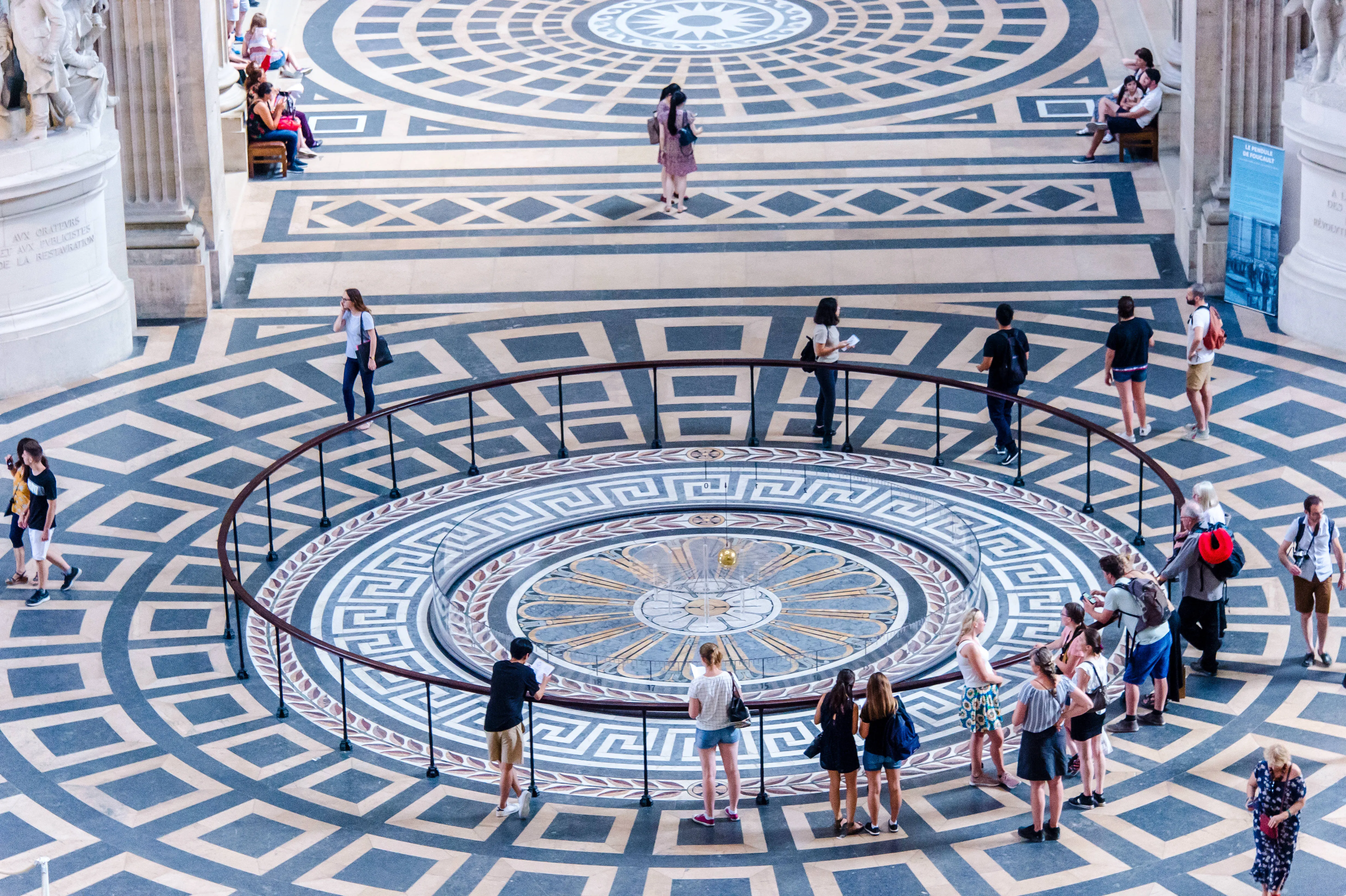
People and Pendulum: Viewing Earth’s Drift Together
Shared curiosity at the pendulum—how patience, markers, and collective attention make physics felt.
→
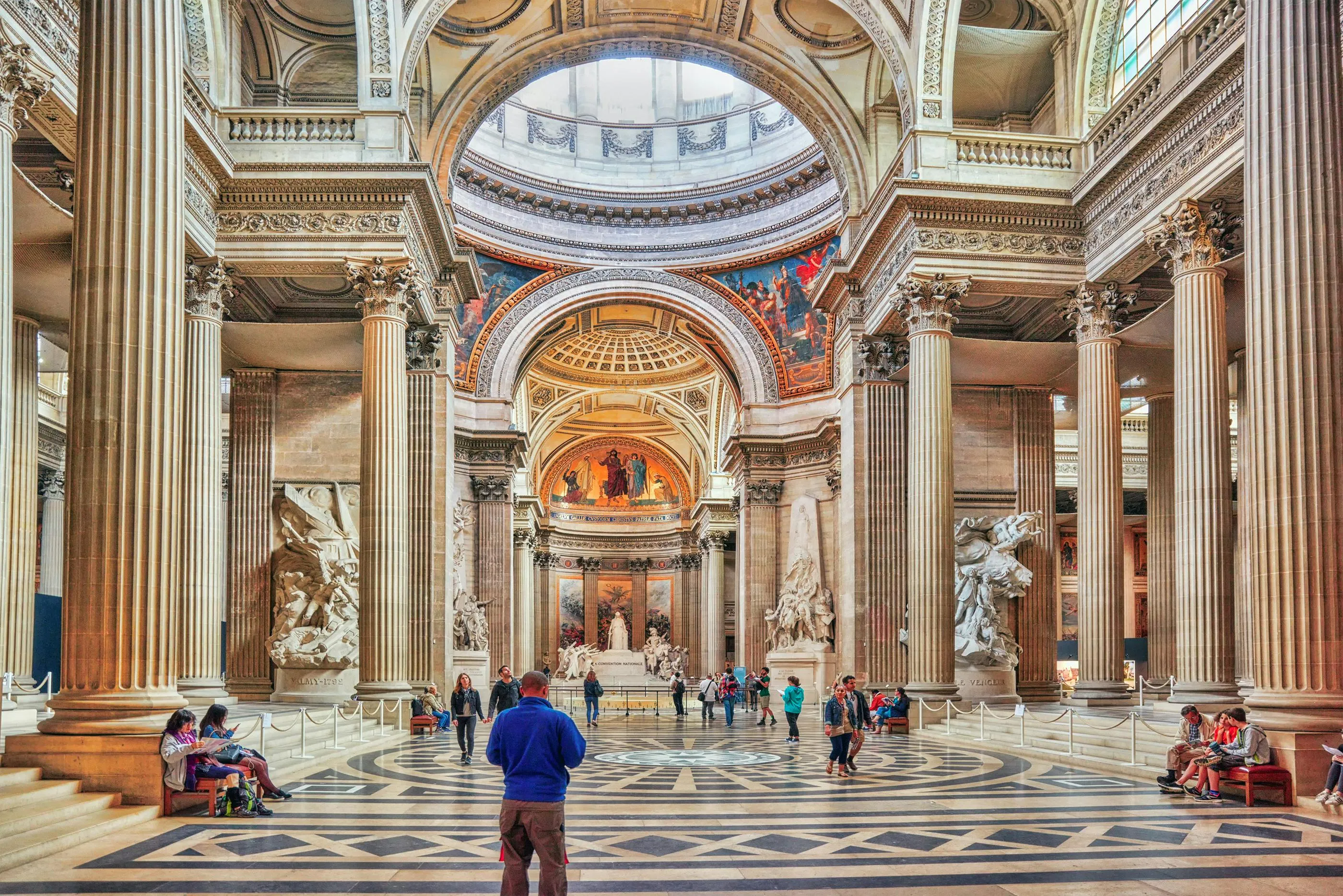
Interiors: A Second Look at Detail and Rhythm
Coffers, cornices, and aisle rhythms—what a slower walk reveals inside the Pantheon.
→
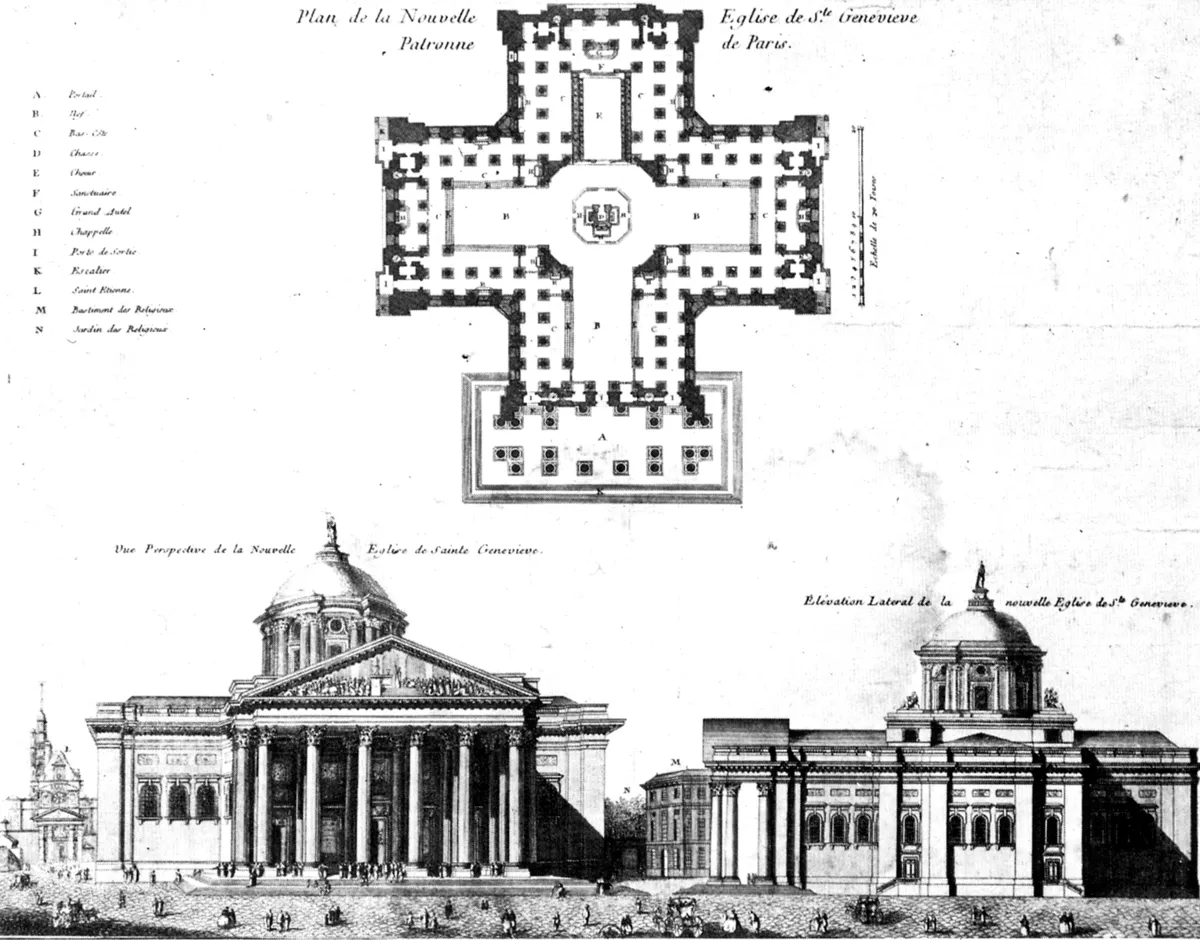
Plant and Stone: Softness, Texture, and the Human Eye
A small plant against monumental stone—why such contrasts matter to how we see the Pantheon.
→
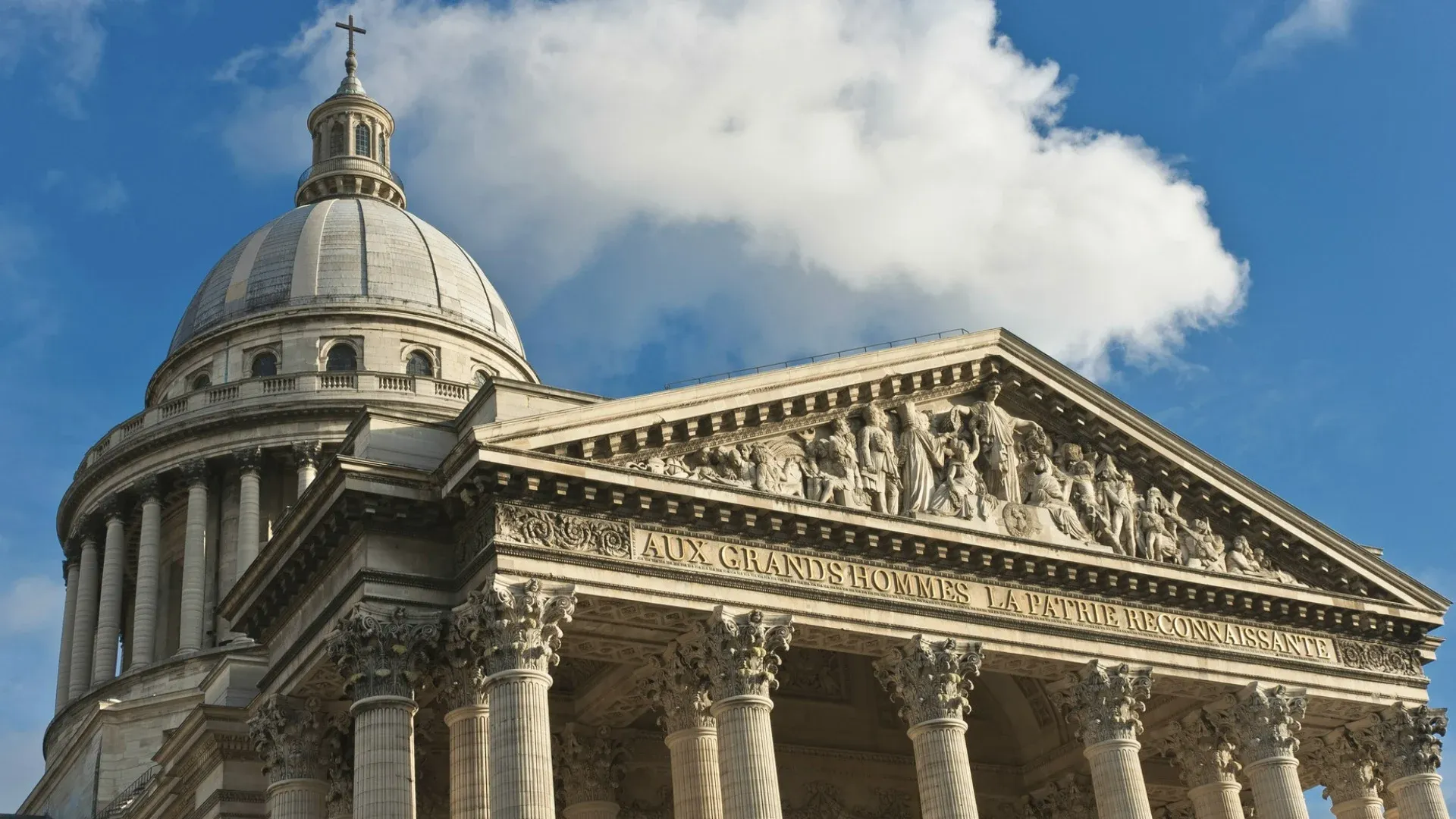
Front Perspectives: Approaches, Angles, and Civic Theater
A series of frontal views—how small shifts in angle change the Pantheon’s narrative and scale.
→
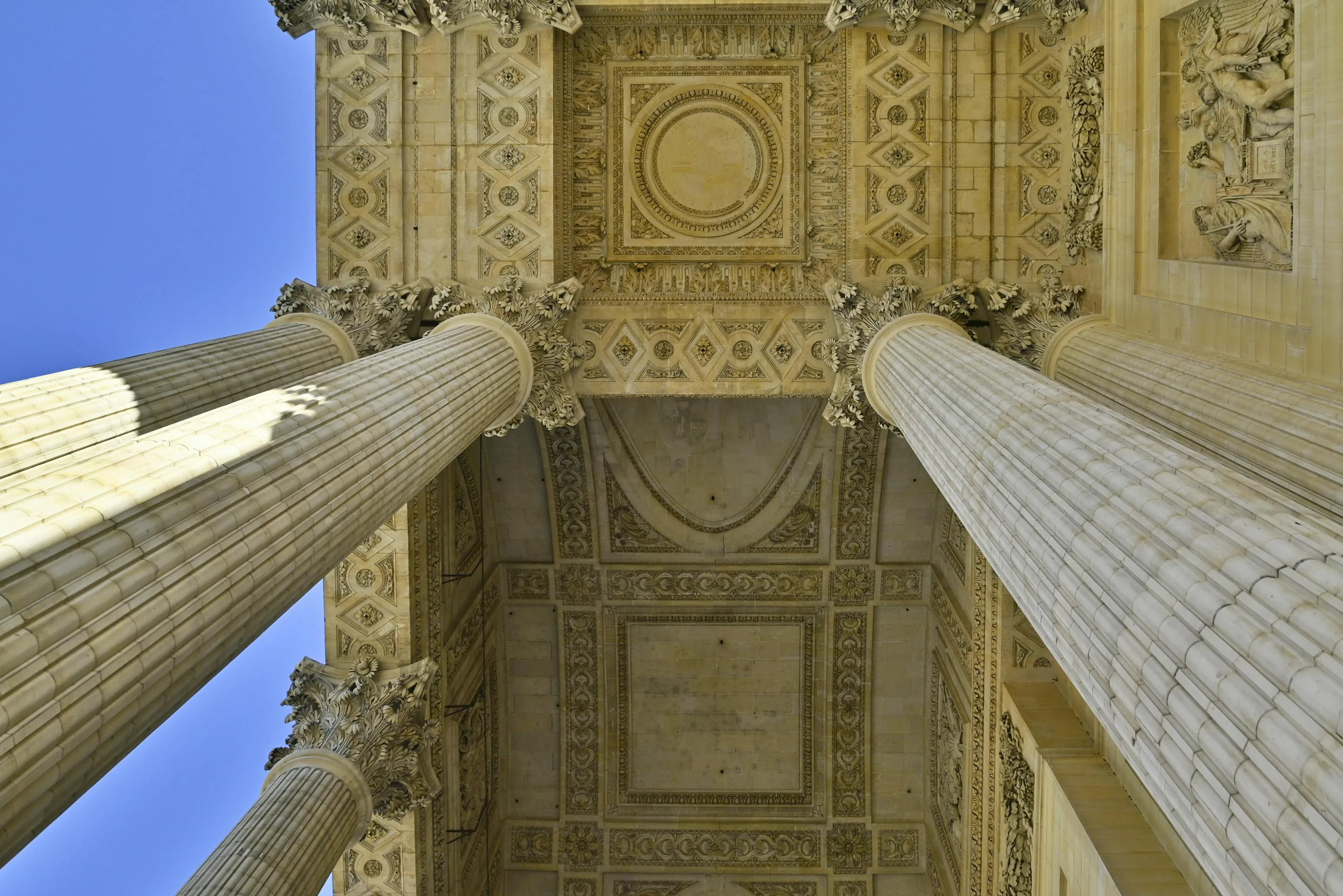
Columns and Ceiling: How Light Draws Vertical Music
Watching light climb columns into the ceiling—why vertical rhythms matter to perception at the Pantheon.
→
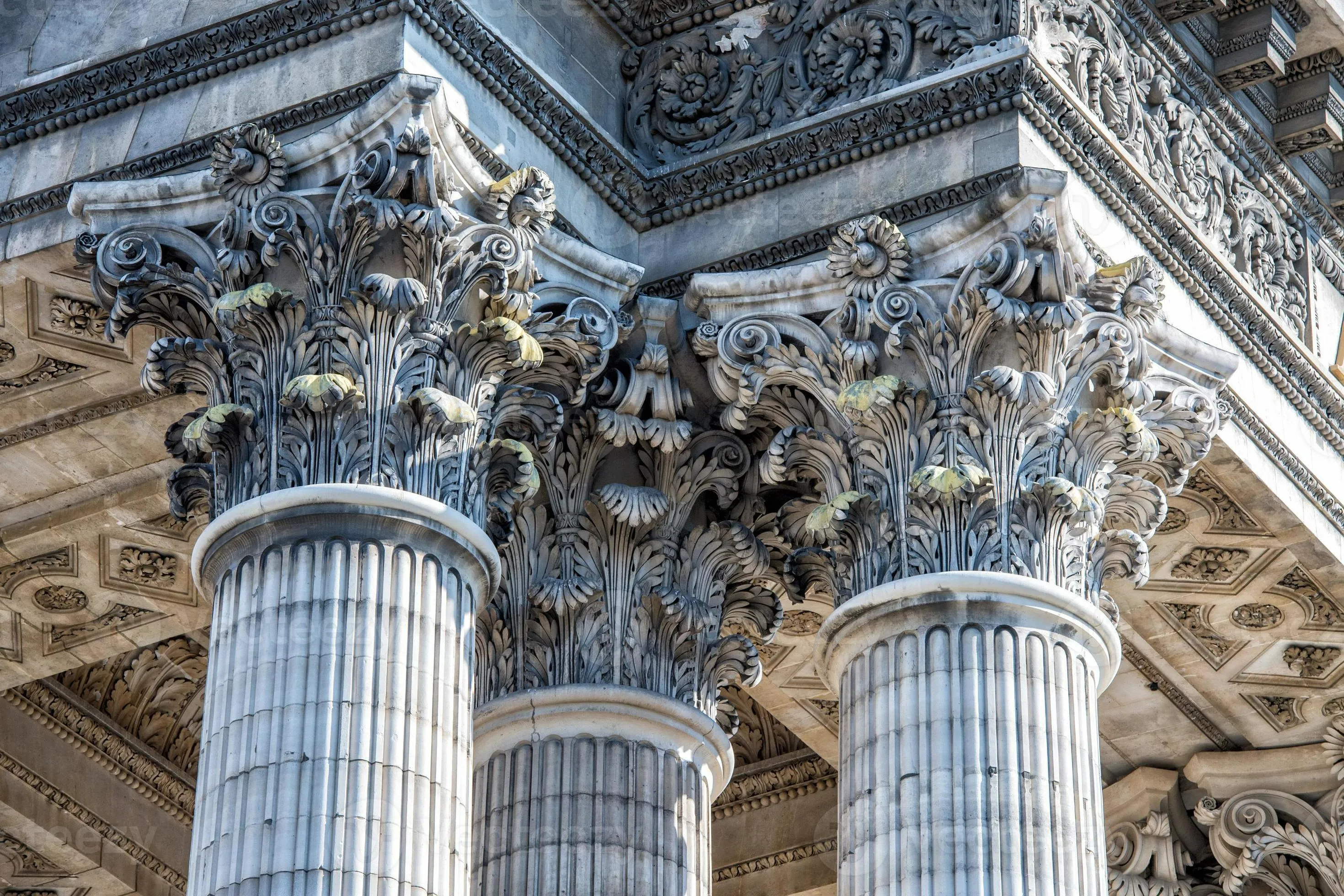
Doric Notes: Restraint and Measure in a Grand Interior
Where Doric restraint appears—why quieter elements stabilize the Pantheon’s monumental composition.
→
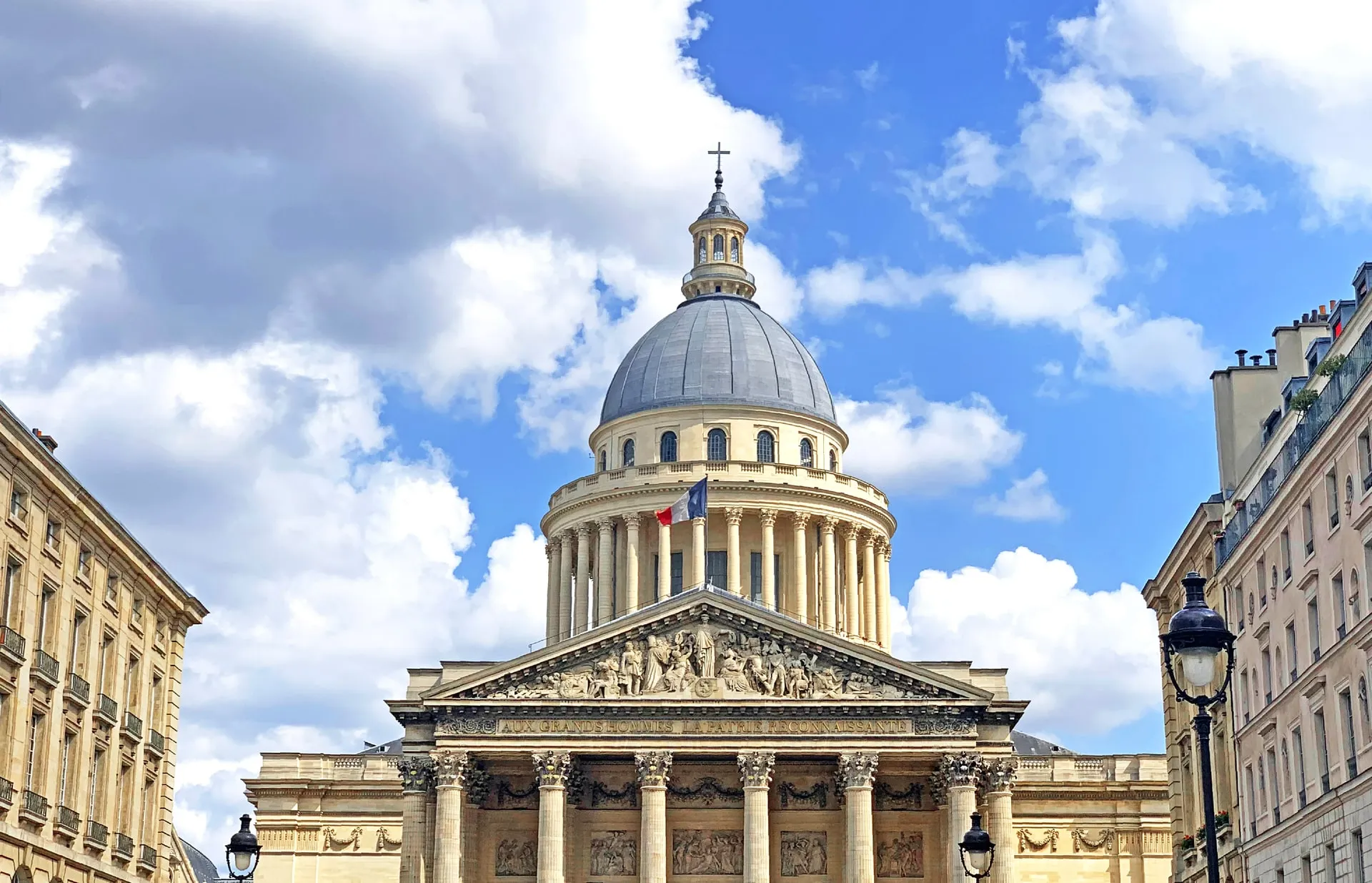
Pediment Inscription: Language Above the City
A close reading of the Pantheon's pediment inscription and how typography, scale, and placement shape civic meaning.
→
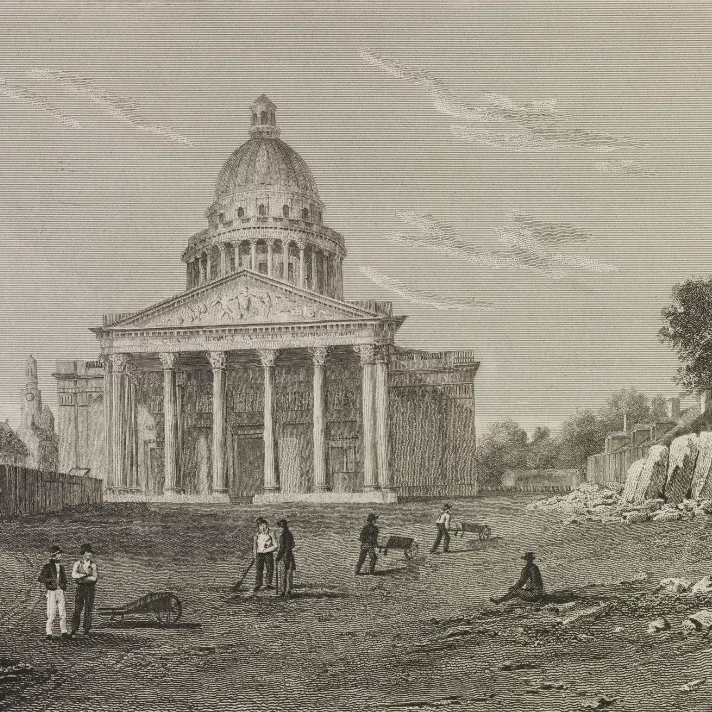
Building on the Hill: 18th-Century Site Logistics
How materials, labor, and slope constraints shaped construction workflows on Montagne Sainte-Genevieve.
→
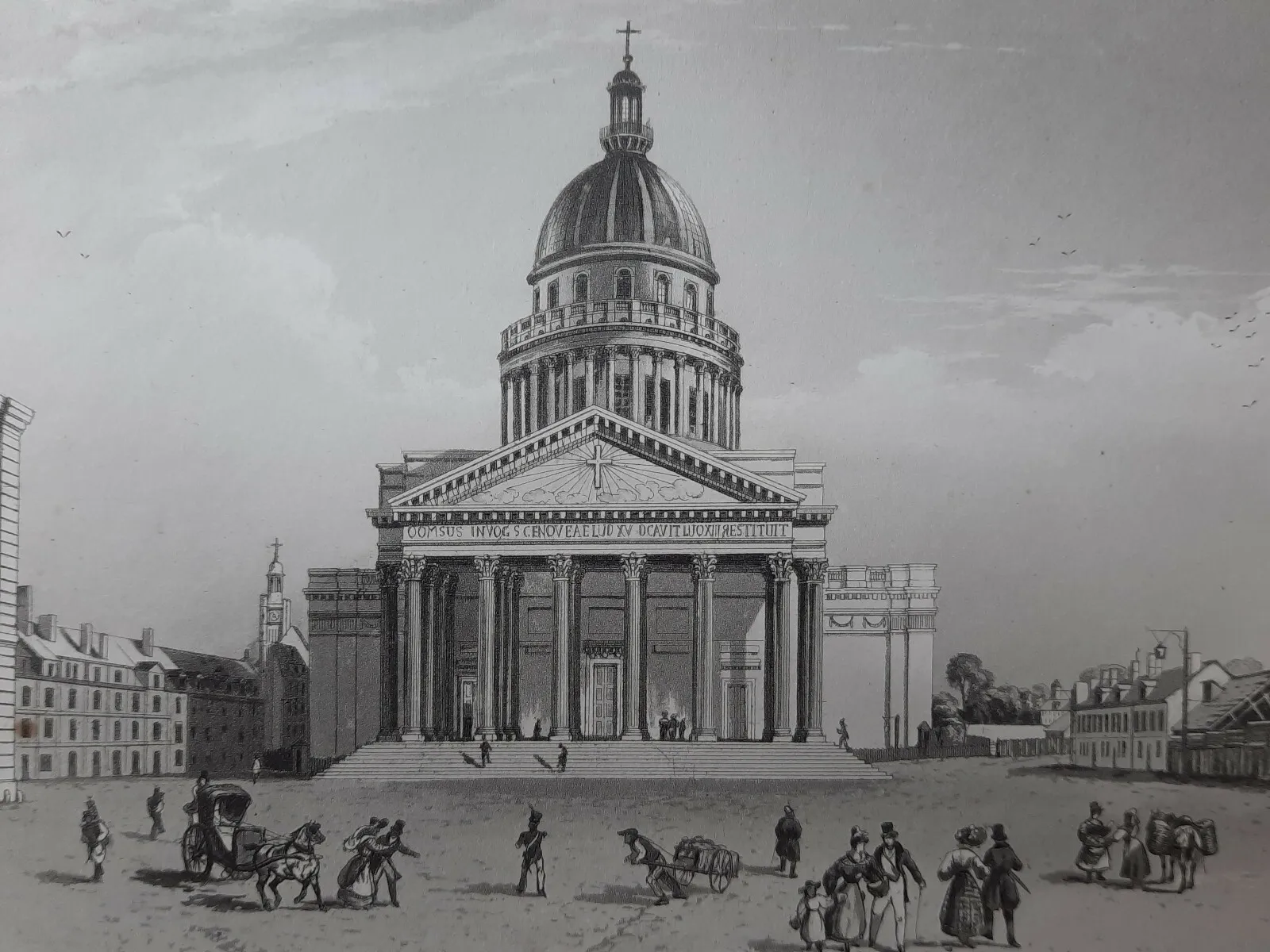
Engraved Views: How the Pantheon Entered Public Imagination
19th-century miniatures and engravings helped standardize how audiences imagined the Pantheon from afar.
→
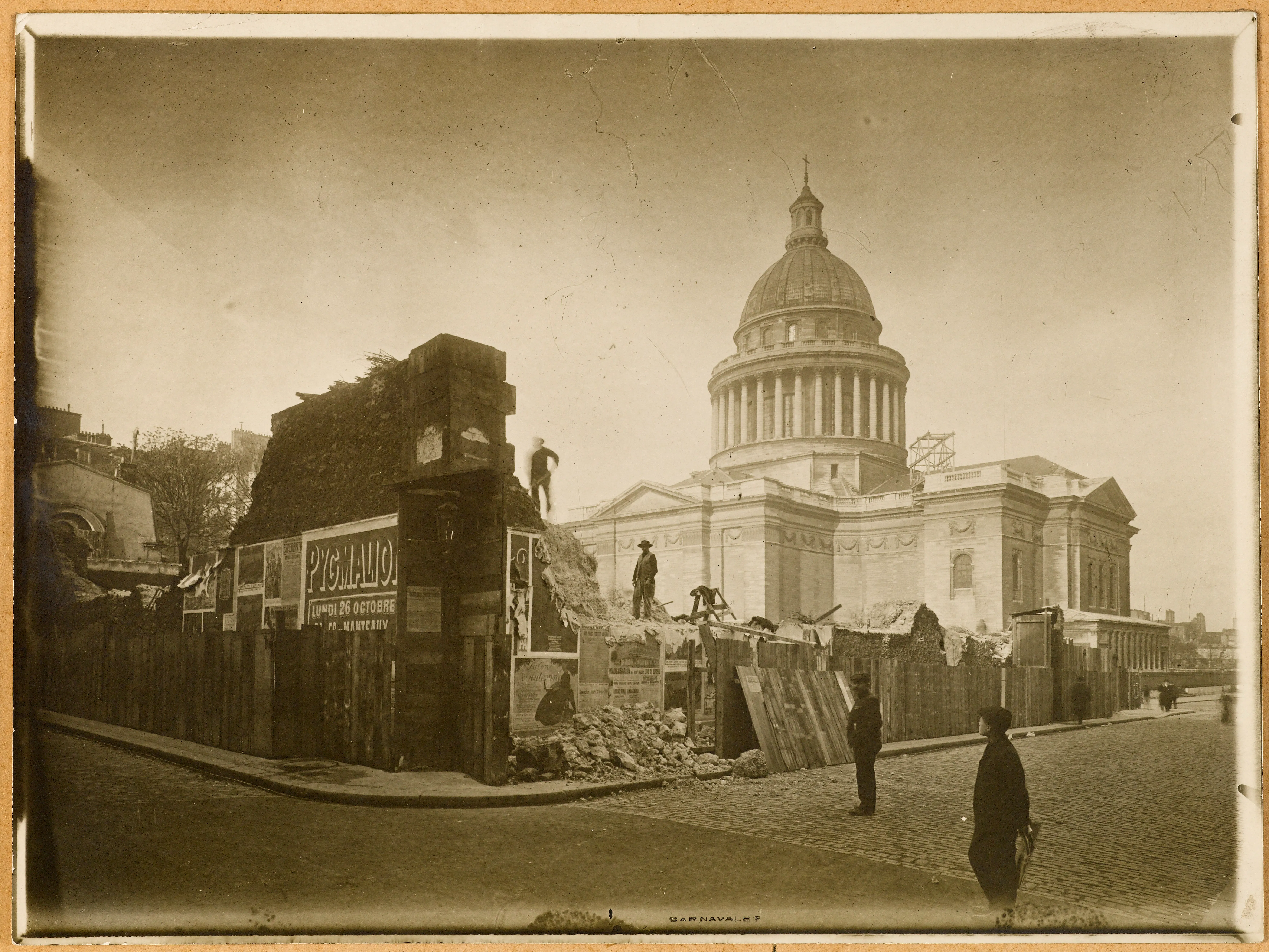
1841 Works: State Maintenance and Monument Care
What mid-19th-century maintenance campaigns reveal about early institutional care of the Pantheon.
→
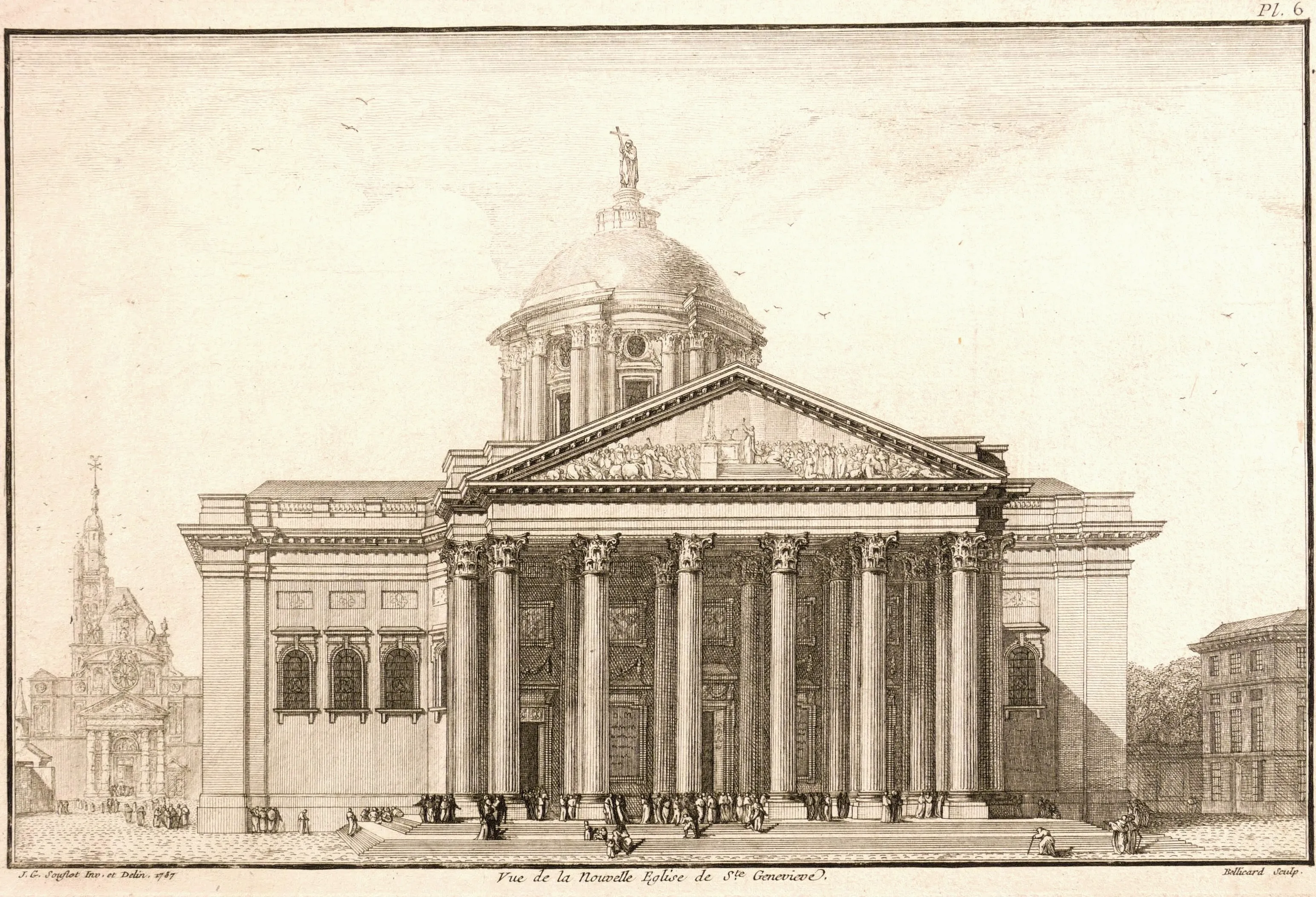
1887 Front View: Monument as Civic Branding
A late-19th-century frontal image reveals how the Pantheon was presented as a stable republican emblem.
→
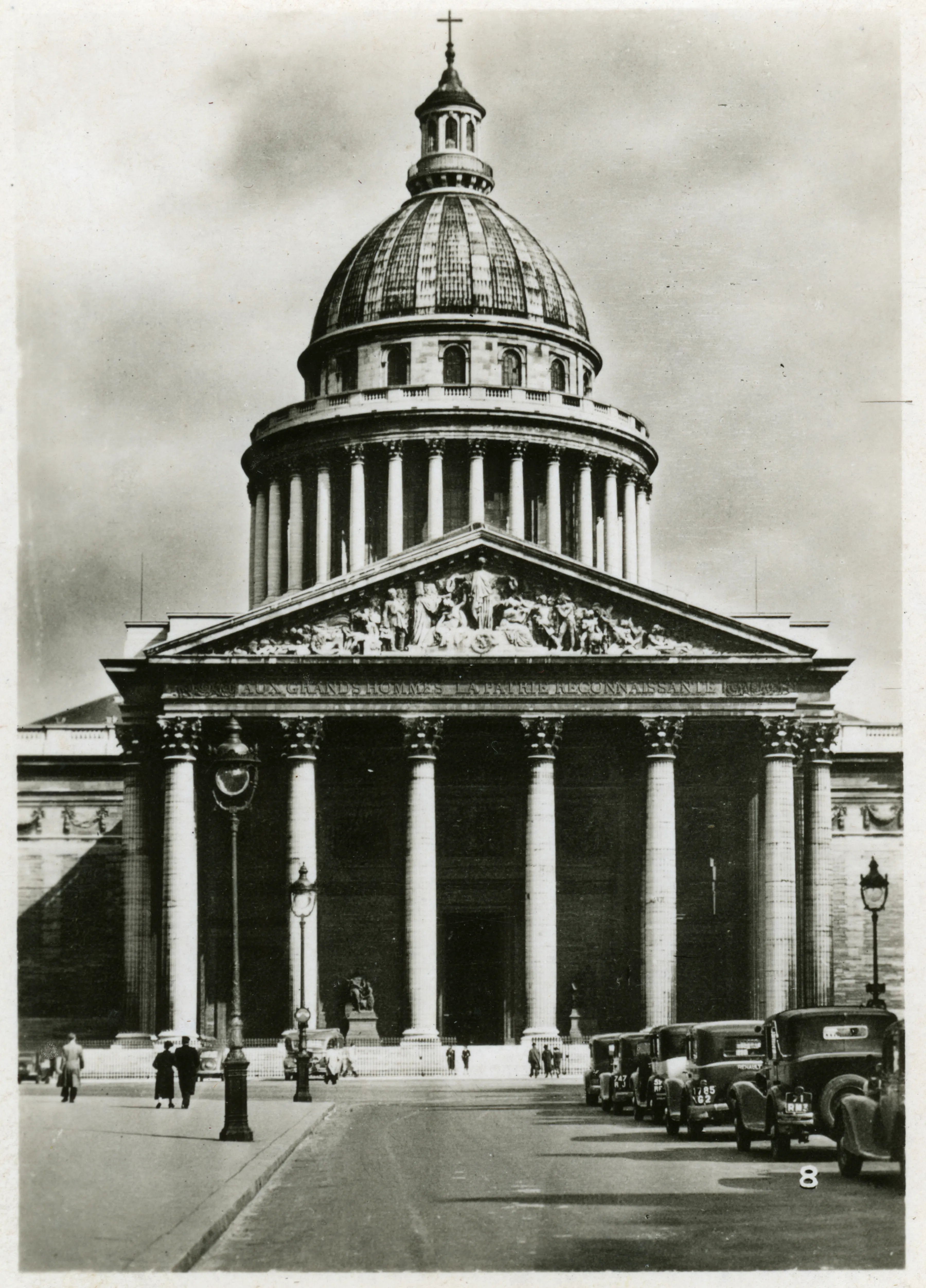
1937 Image Culture: The Pantheon in Modern Media
By the 1930s, the Pantheon had become a recurring visual shorthand for nation, memory, and institutional continuity.
→
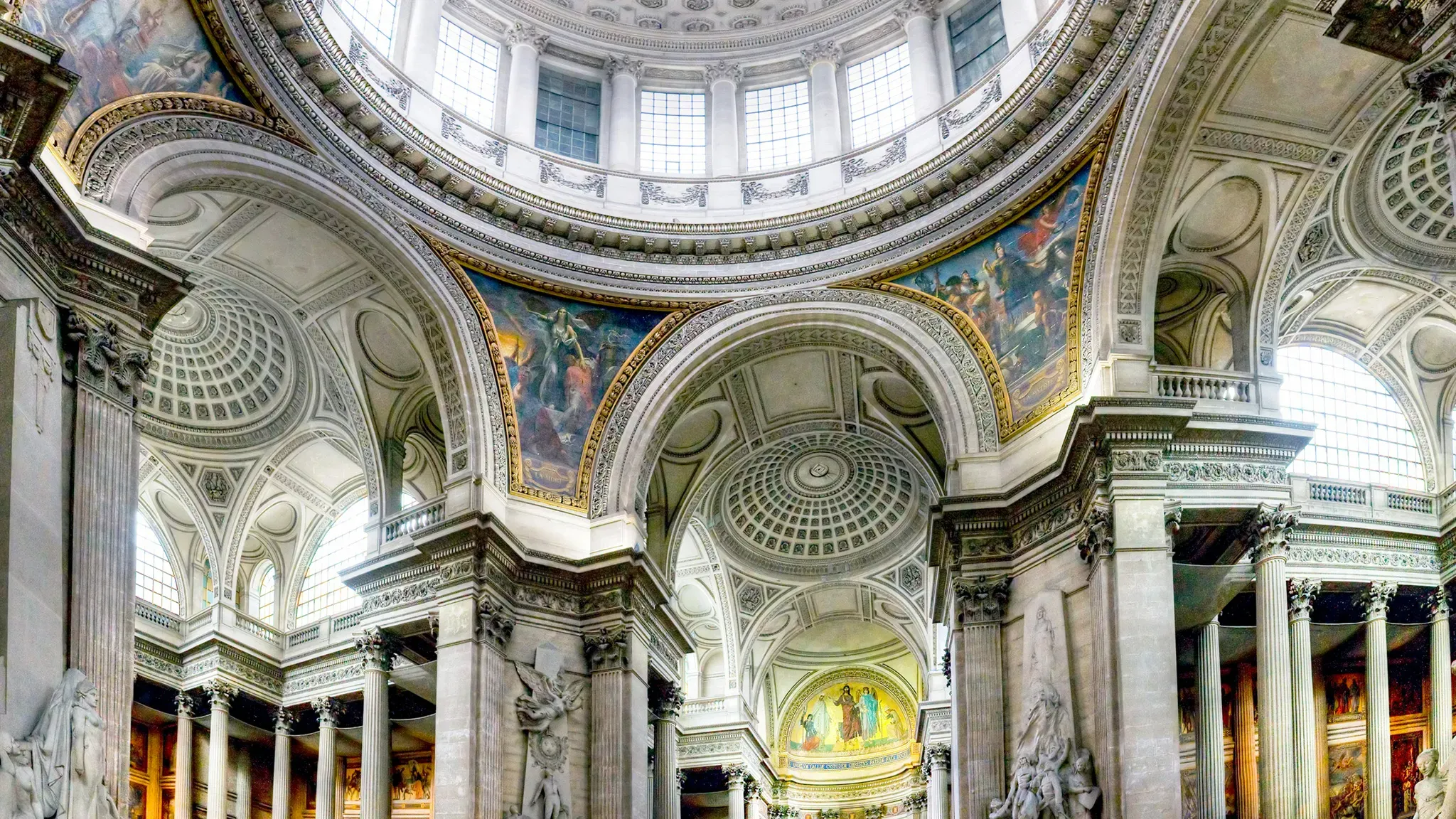
Arch Bays Under Watch: Inspection Routines and Thresholds
How conservation teams monitor arch bays, crack evolution, and moisture markers in a living monument.
→
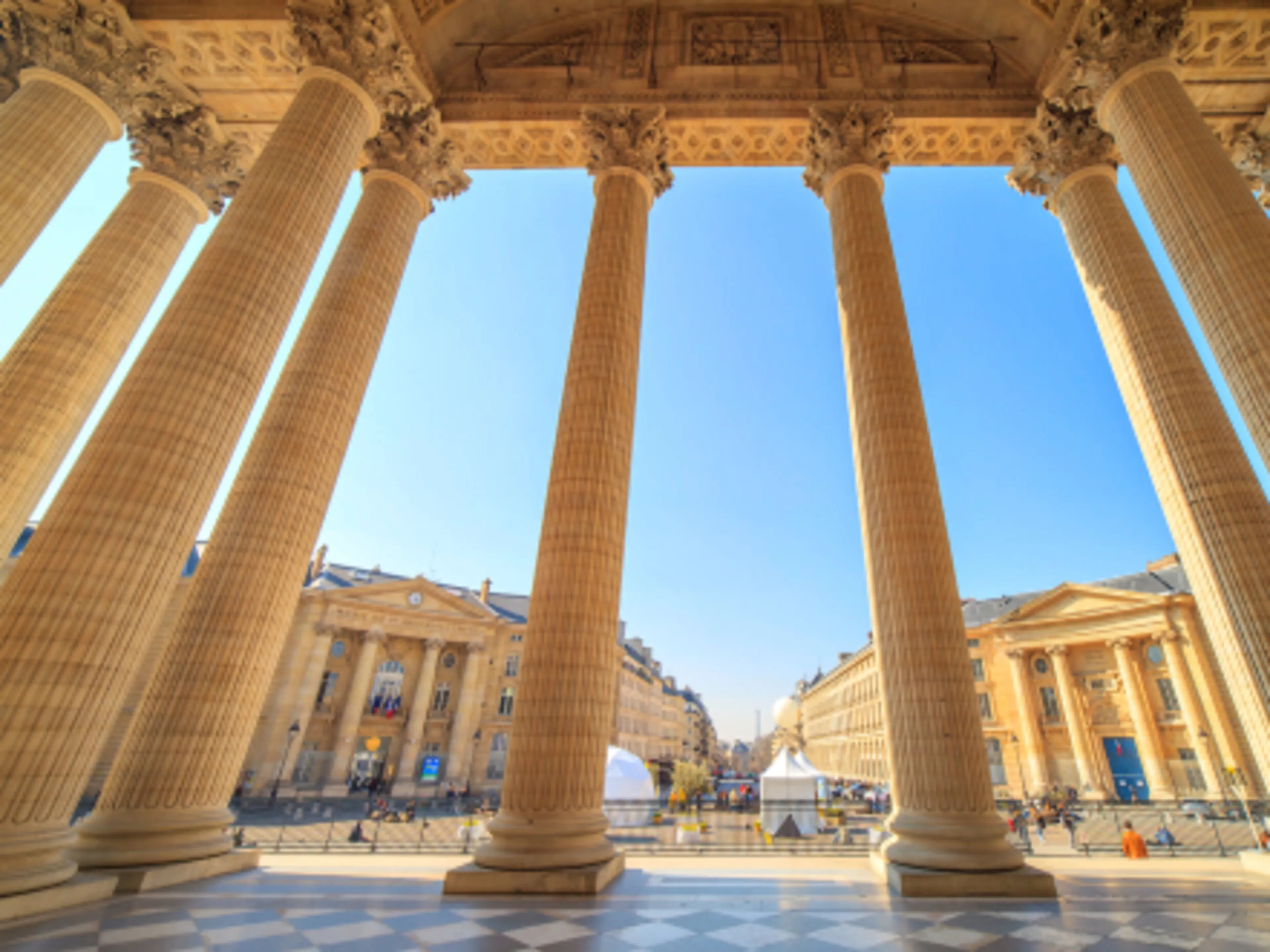
Inner Colonnade: Microclimate, Air Movement, and Comfort
A closer look at how the interior column zones influence airflow, perceived temperature, and visitor comfort.
→
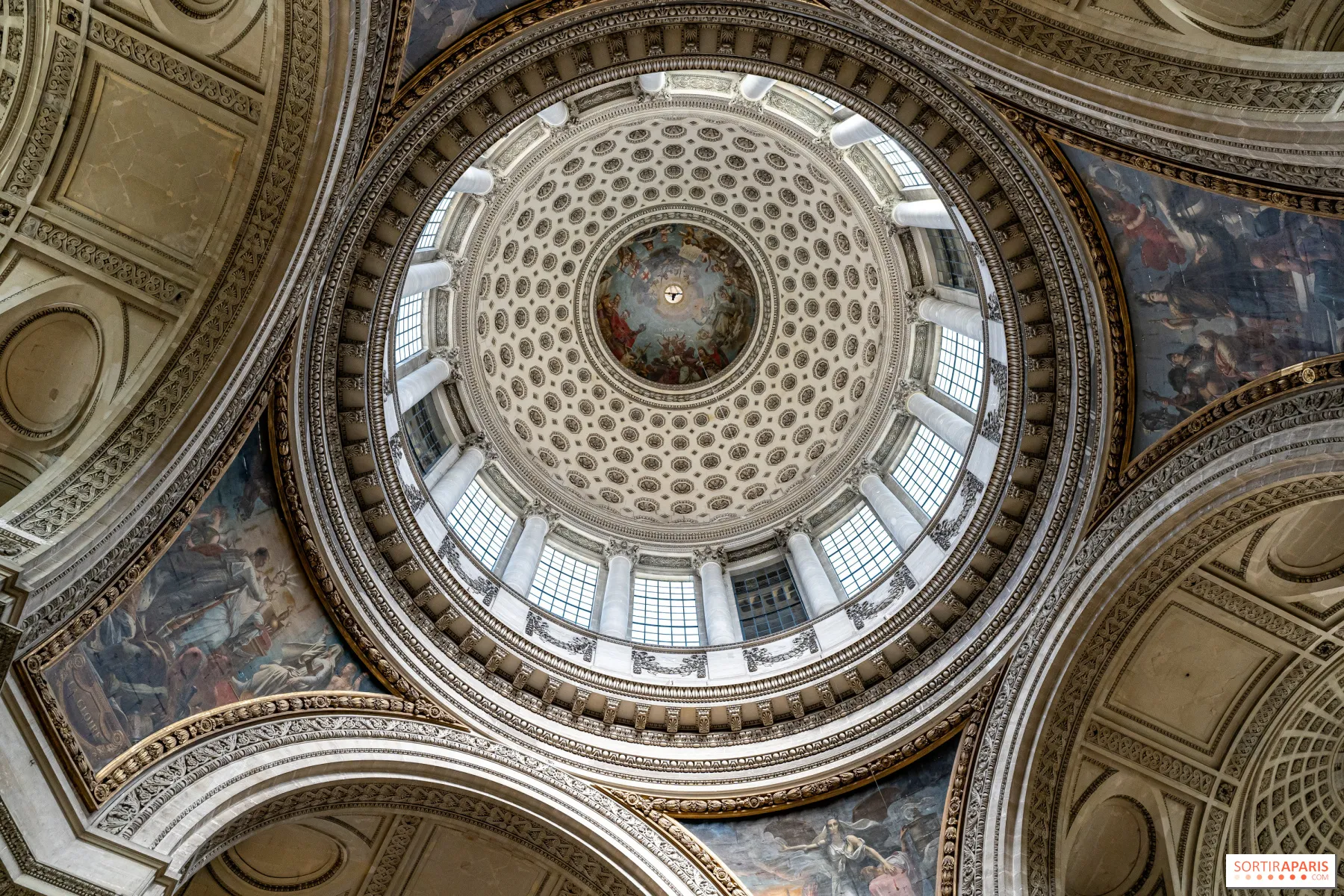
Dome Paint Program: Narrative Cycles Above the Crossing
How painted sequences in the dome zone support narrative continuity, orientation, and symbolic hierarchy.
→
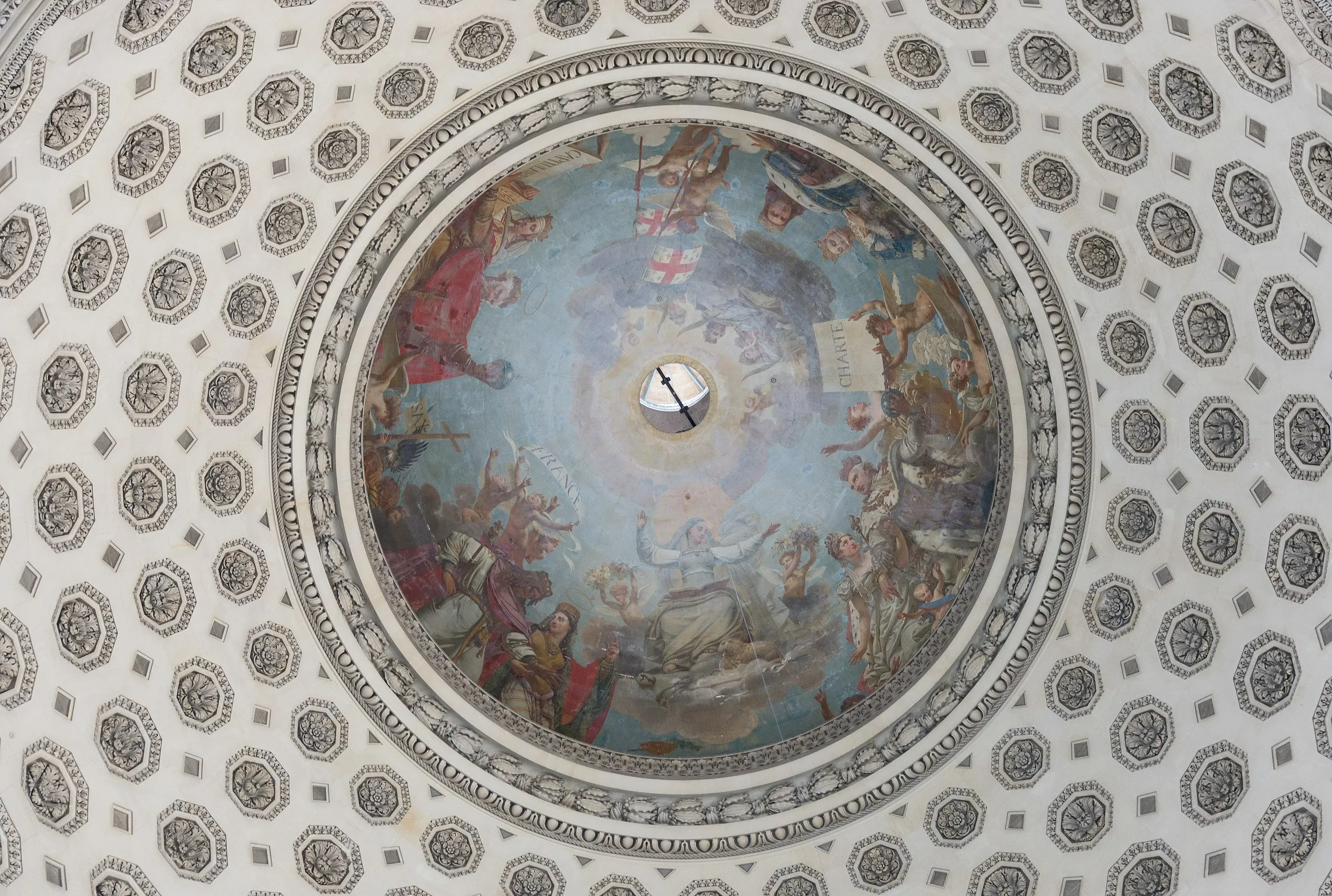
Dome Envelope: Water, Joints, and Weatherproofing Strategy
A conservation-oriented look at how the outer dome skin and joints manage rain, runoff, and long-term durability.
→
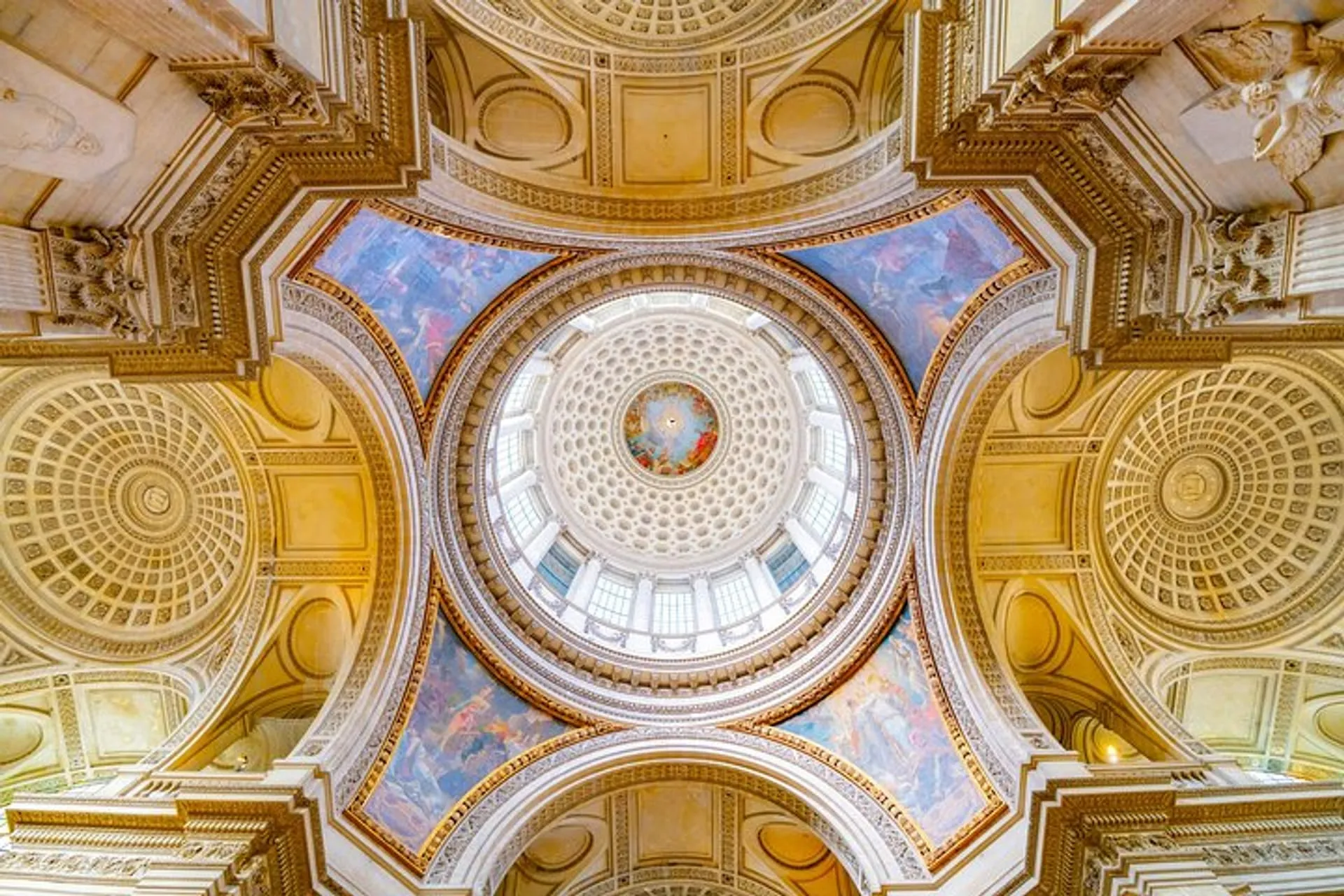
Lantern and Orientation: Finding Paris from the Crown
How upper-level viewpoints around the dome aid urban orientation and reveal historical axes across Paris.
→
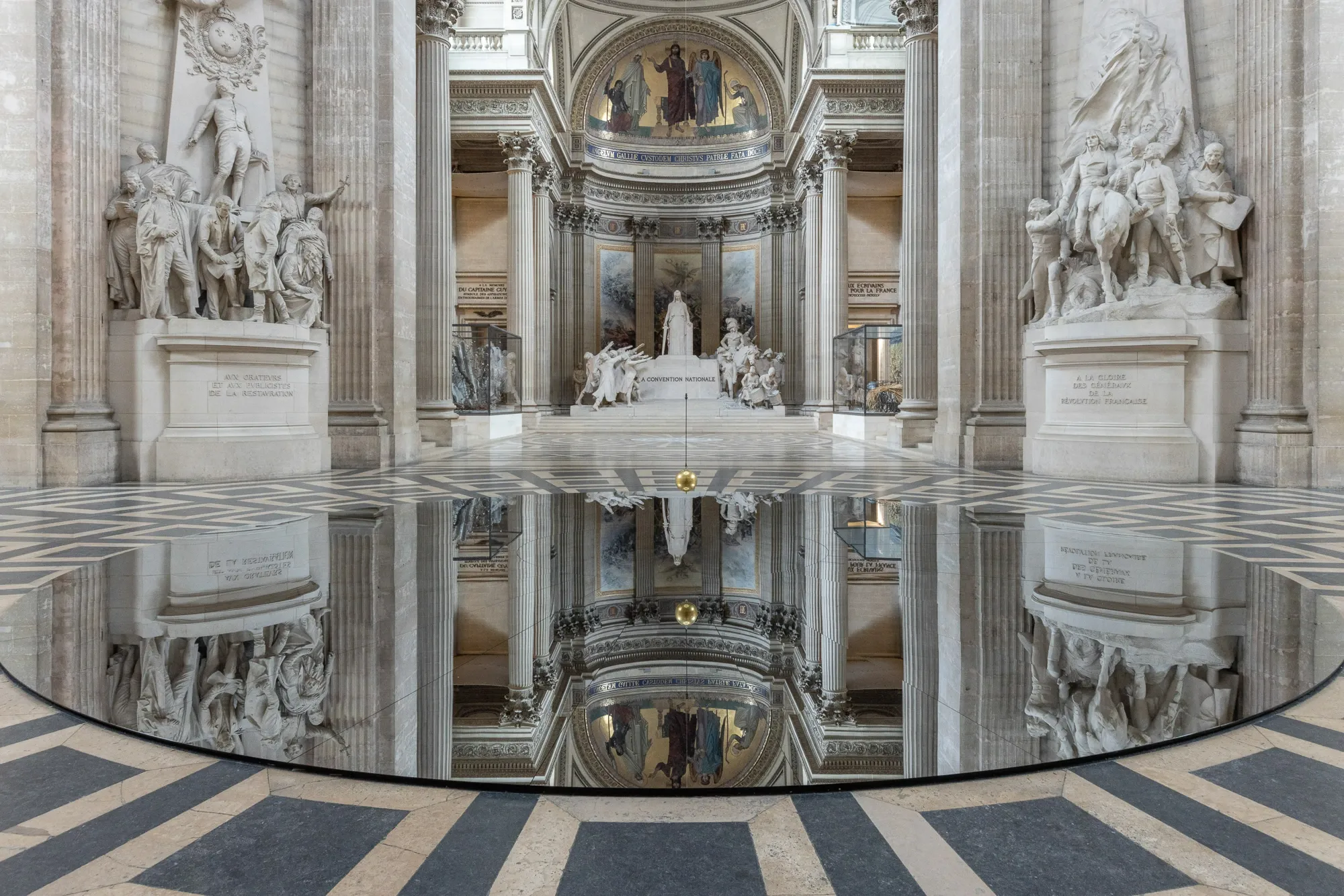
Floor Mirror Dynamics: Attention, Pause, and Visitor Flow
Reflective installations alter movement patterns by creating pause zones under the crossing.
→
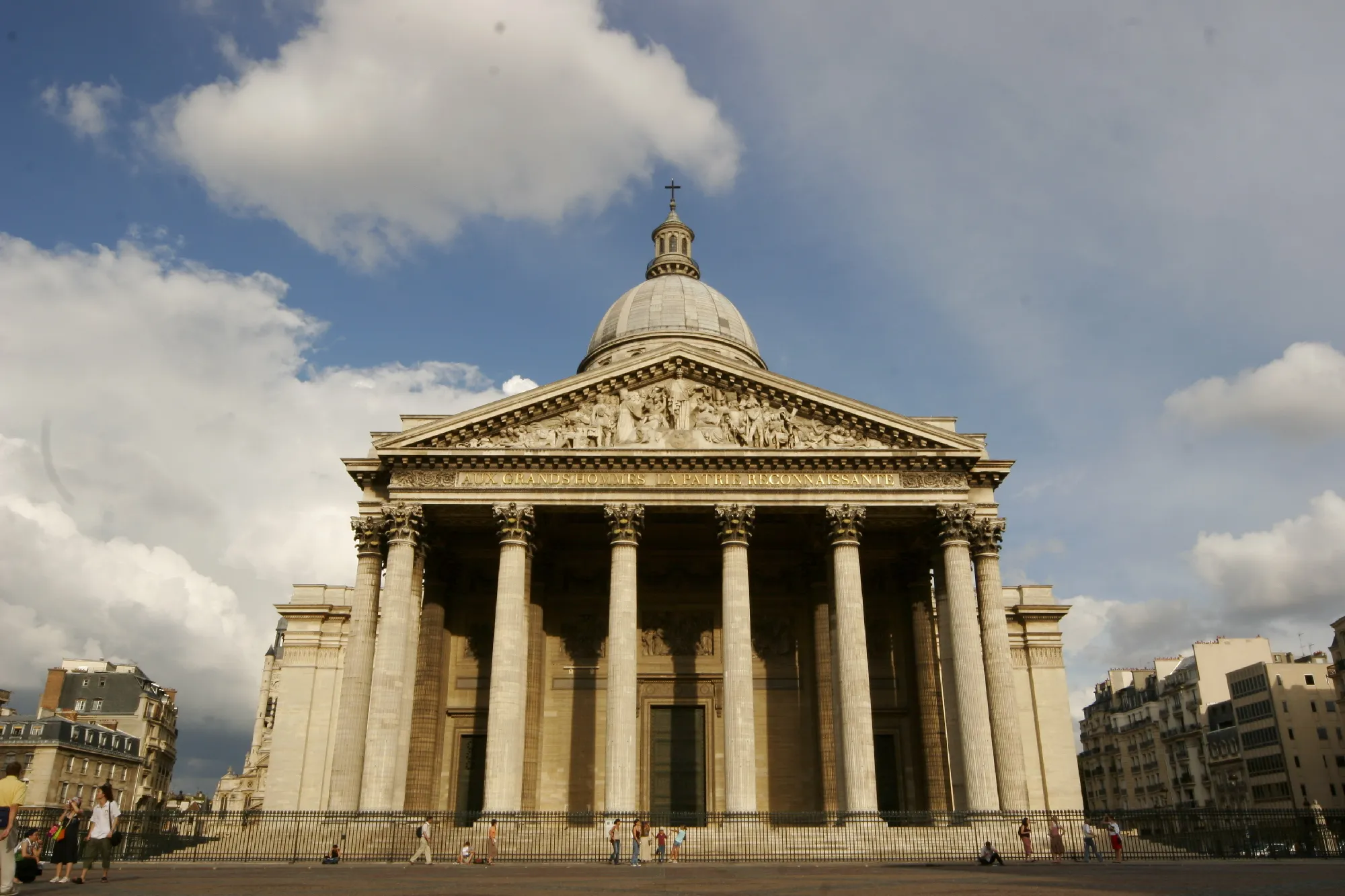
Rue Soufflot Axis: The Processional Approach Explained
How the famous approach axis frames first perception of the Pantheon and builds ceremonial anticipation.
→
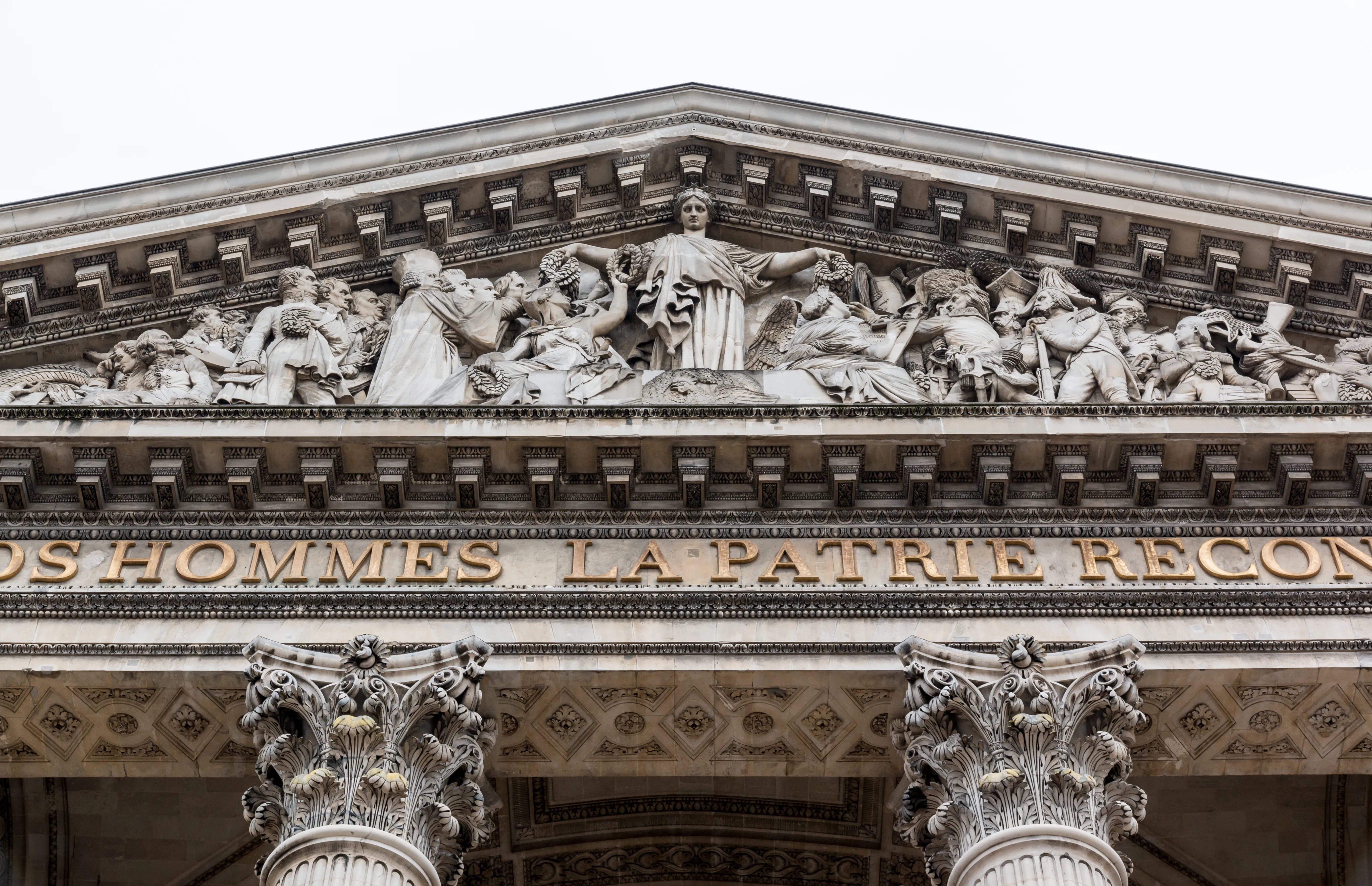
Rain on Stone: Reading Moisture Paths on the Facade
Wet-weather observation reveals runoff lines, staining patterns, and maintenance priorities on exposed elevations.
→
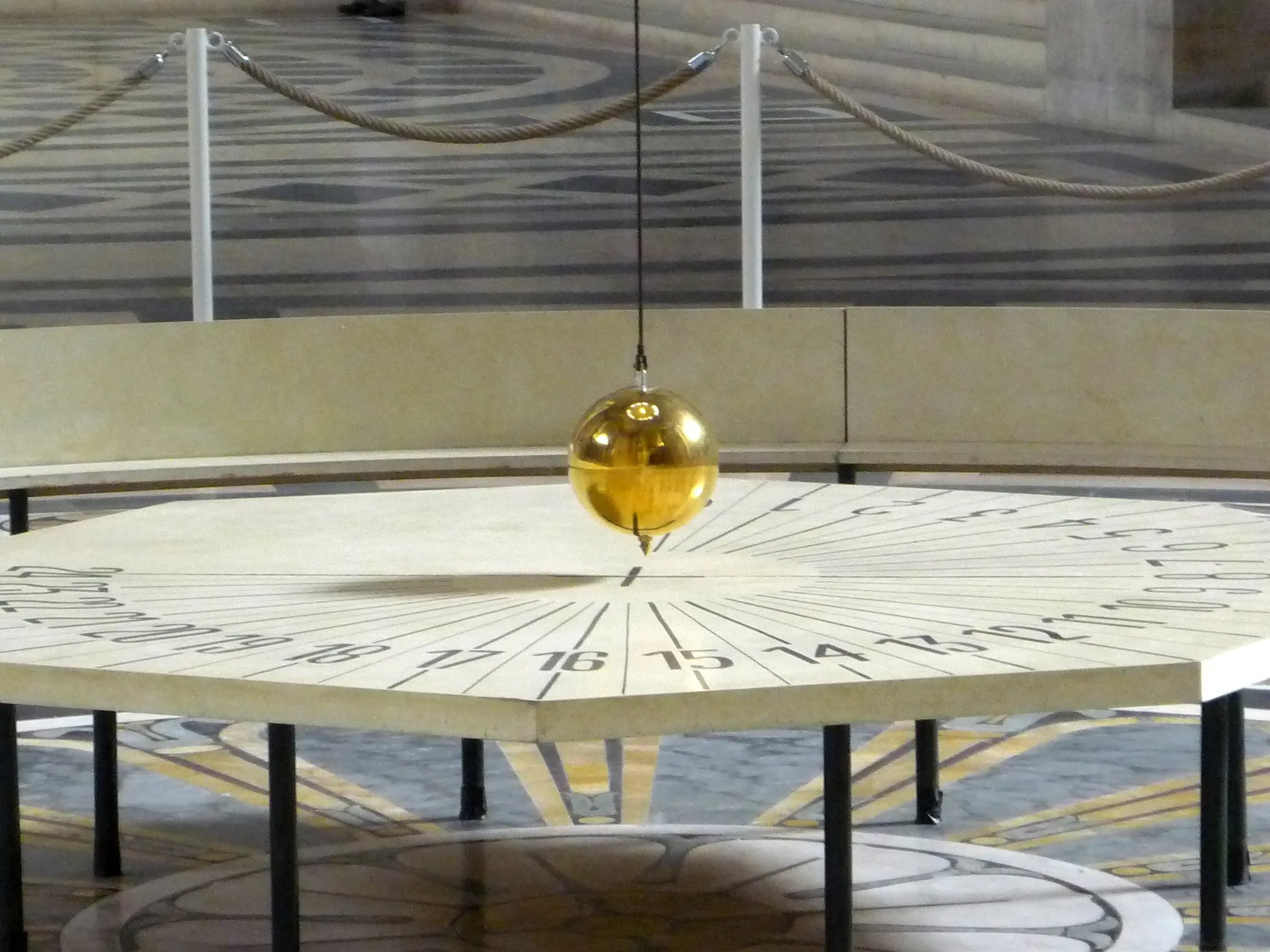
Pendulum Calibration: Daily Checks Behind the Demonstration
A practical look at alignment checks, damping control, and interpretive setup for the Foucault pendulum display.
→
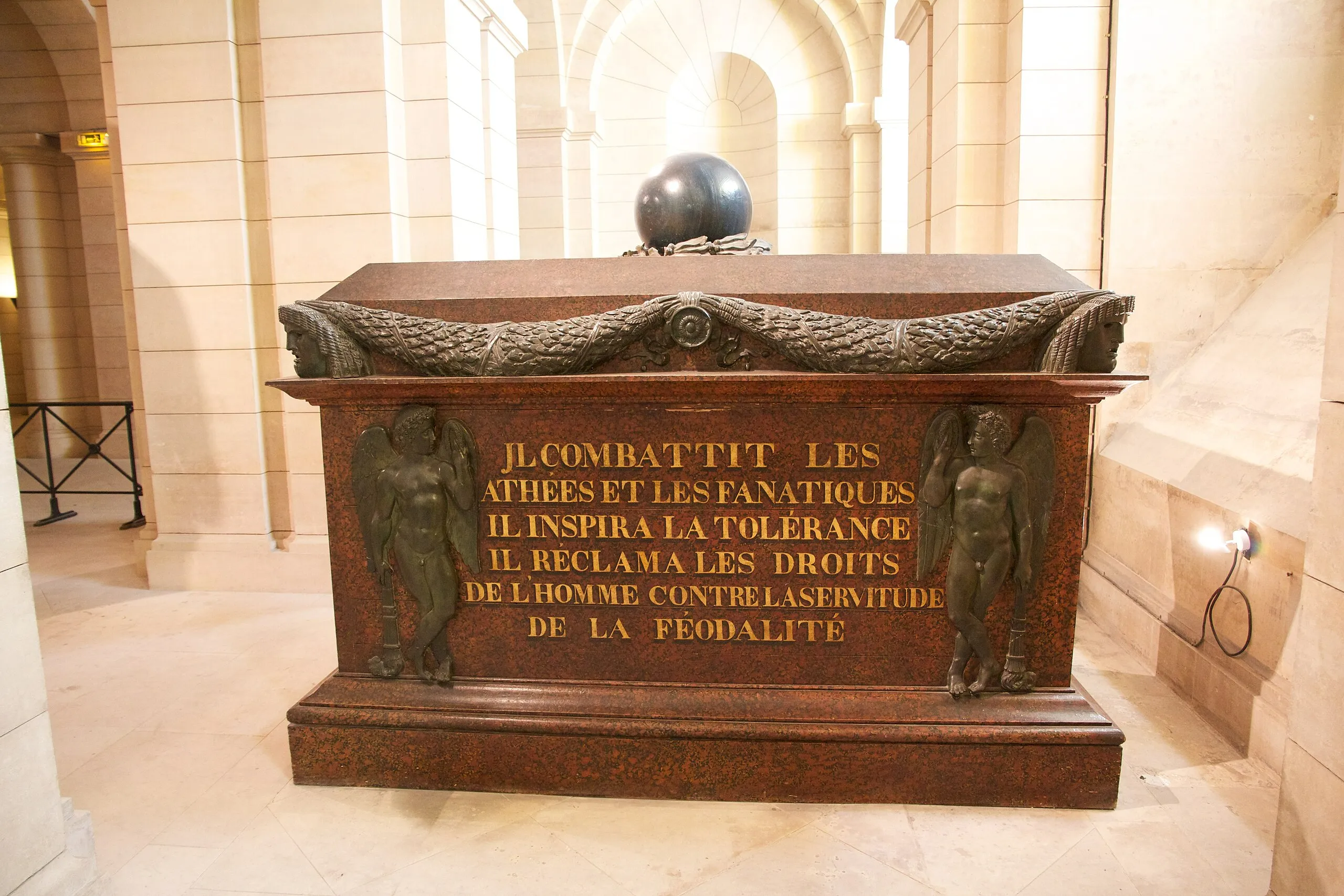
Voltaire Monument: Materials, Inscriptions, and Public Reading
Beyond biography: a material and epigraphic reading of the Voltaire monument in the Pantheon crypt.
→
Peak-Hour Entry Strategy: Queue, Timing, and Comfort
A practical visiting strategy for high-demand periods with timing windows, route choices, and pause points.
→
School Groups: Designing a 45-Minute Learning Circuit
A structured route for student visits that links architecture, history, and science without overload.
→
Risk Management: Safety Protocols in a Historic Monument
How teams balance fire safety, evacuation logic, and heritage protection in daily Pantheon operations.
→